Arizonal8/Memory-Forensics

GitHub: Arizonal8/Memory-Forensics

Stars: 0 | Forks: 0

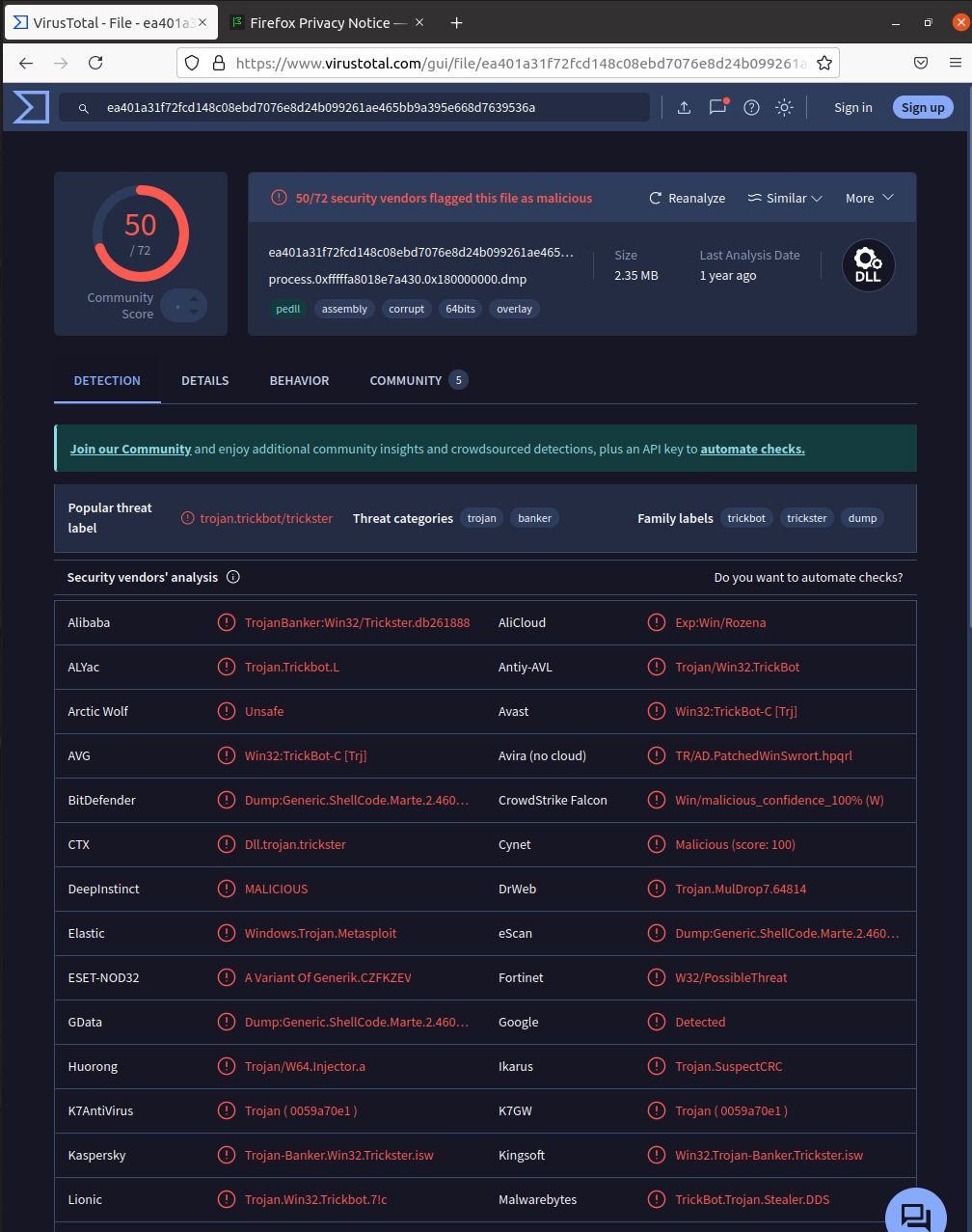
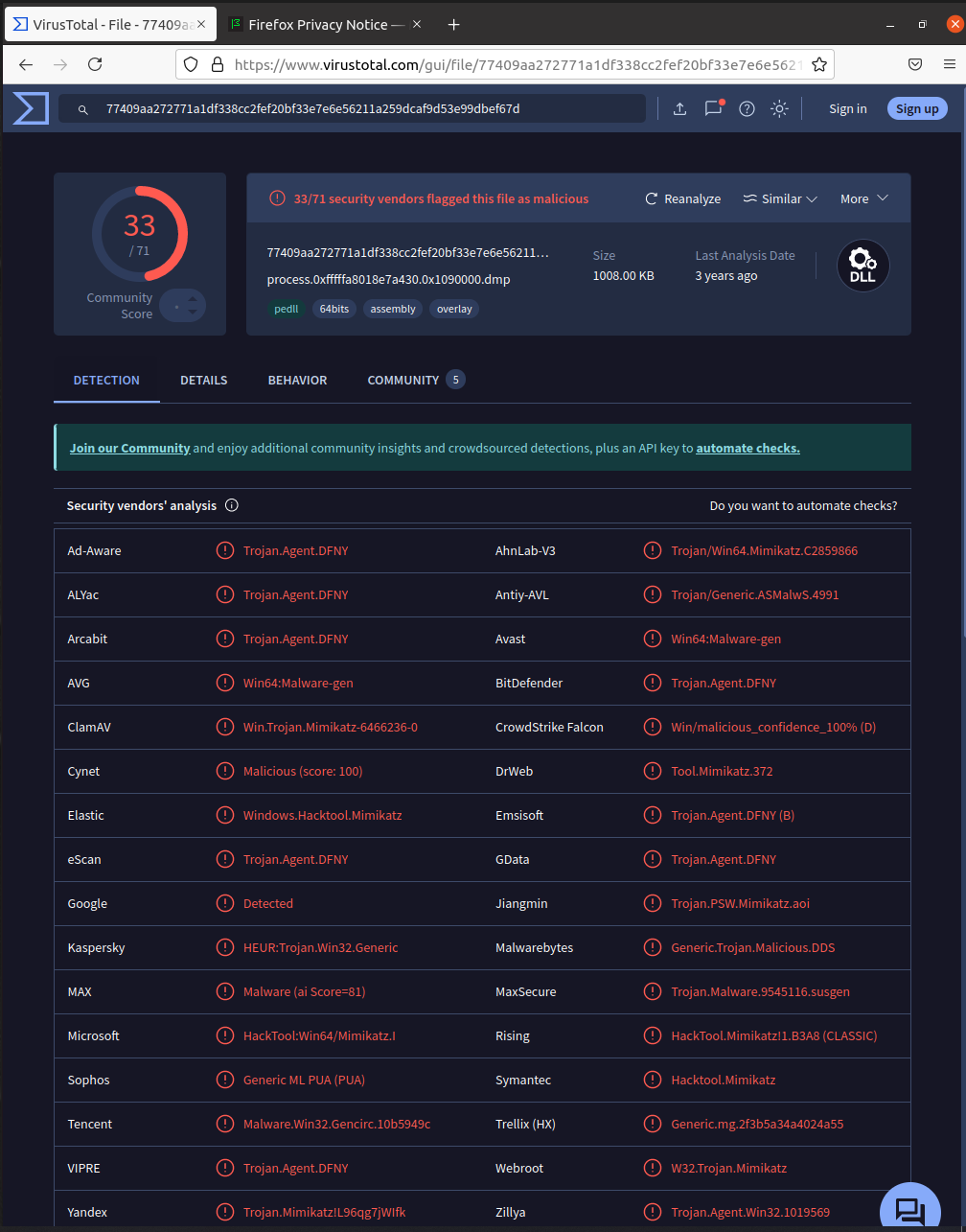
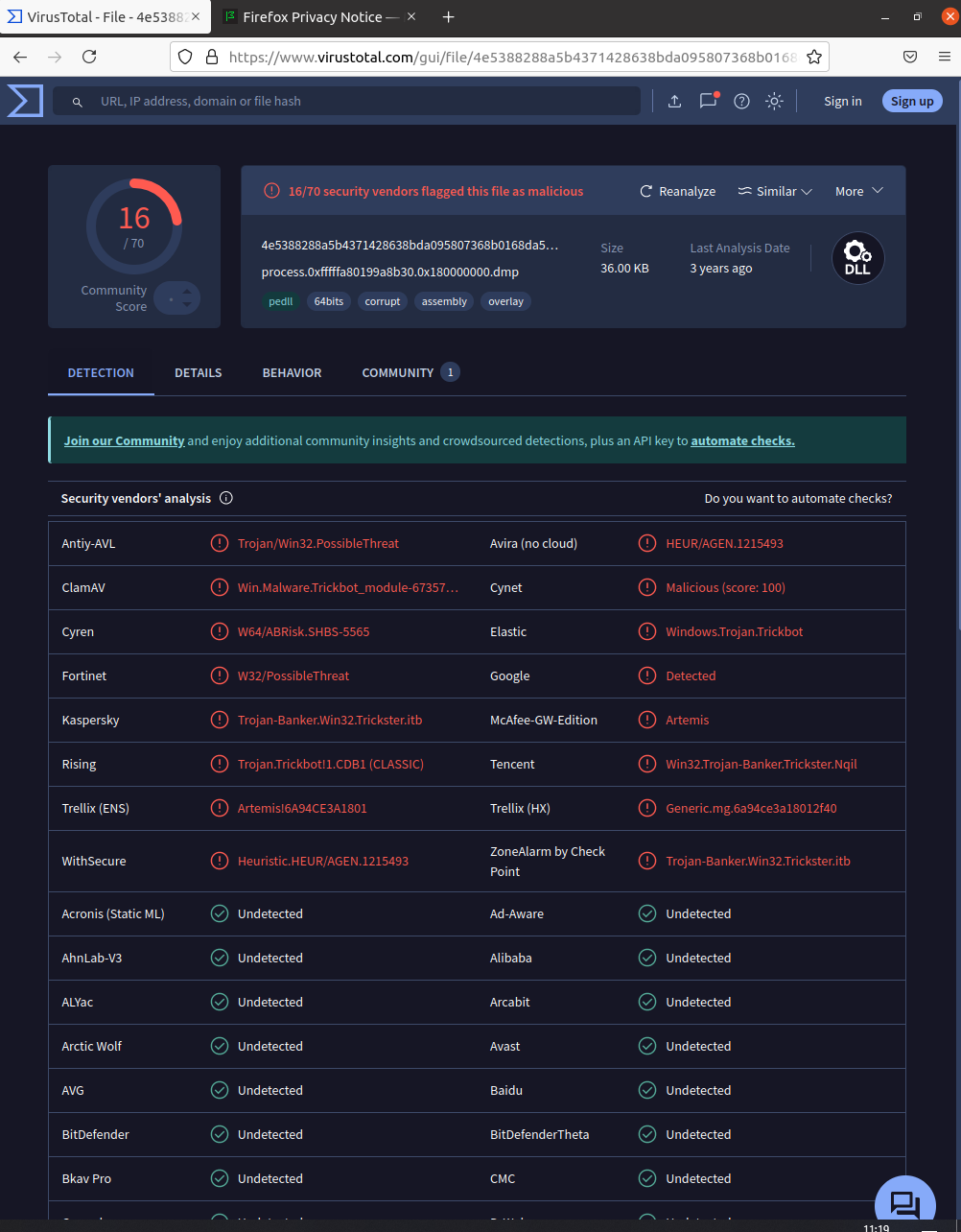
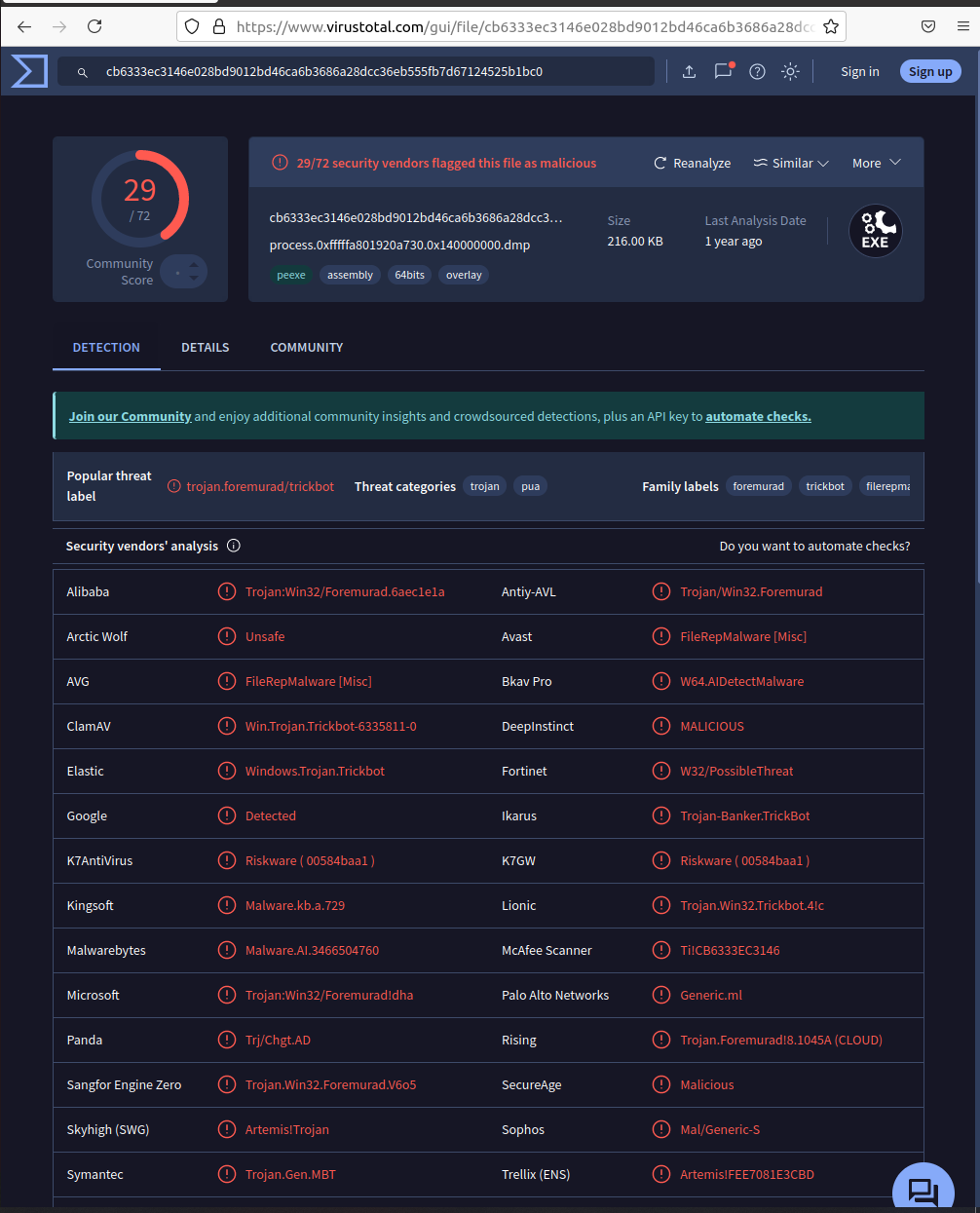
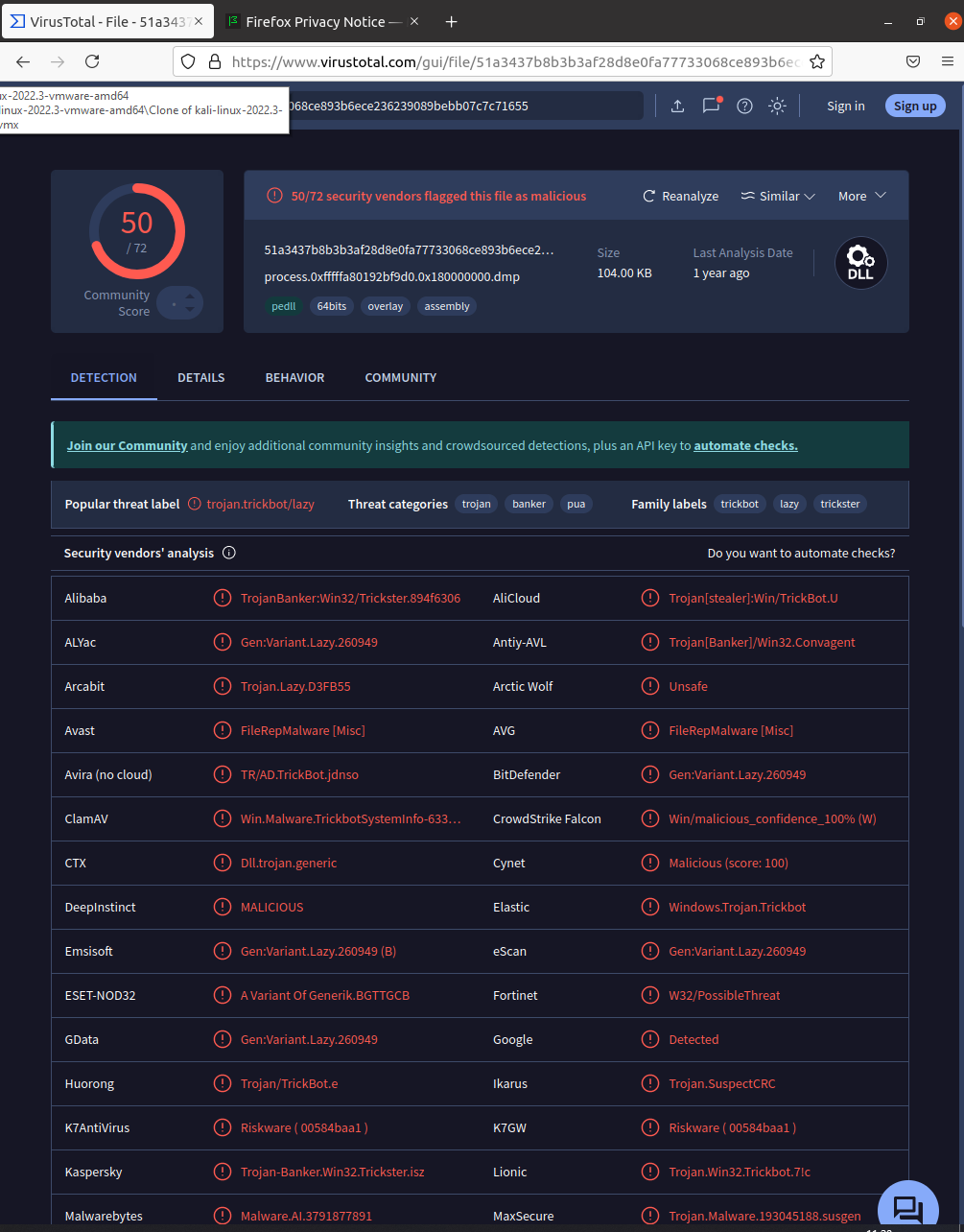
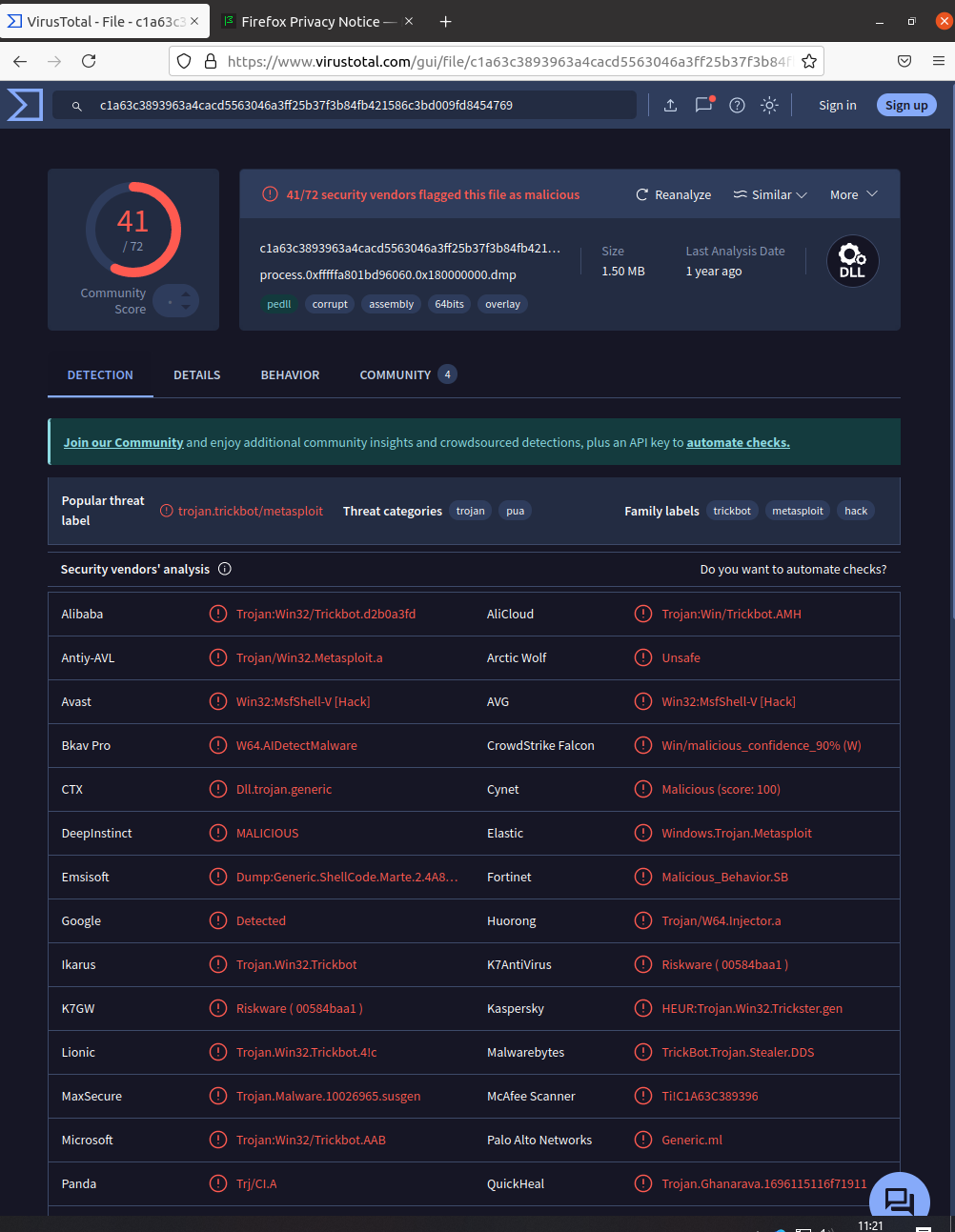
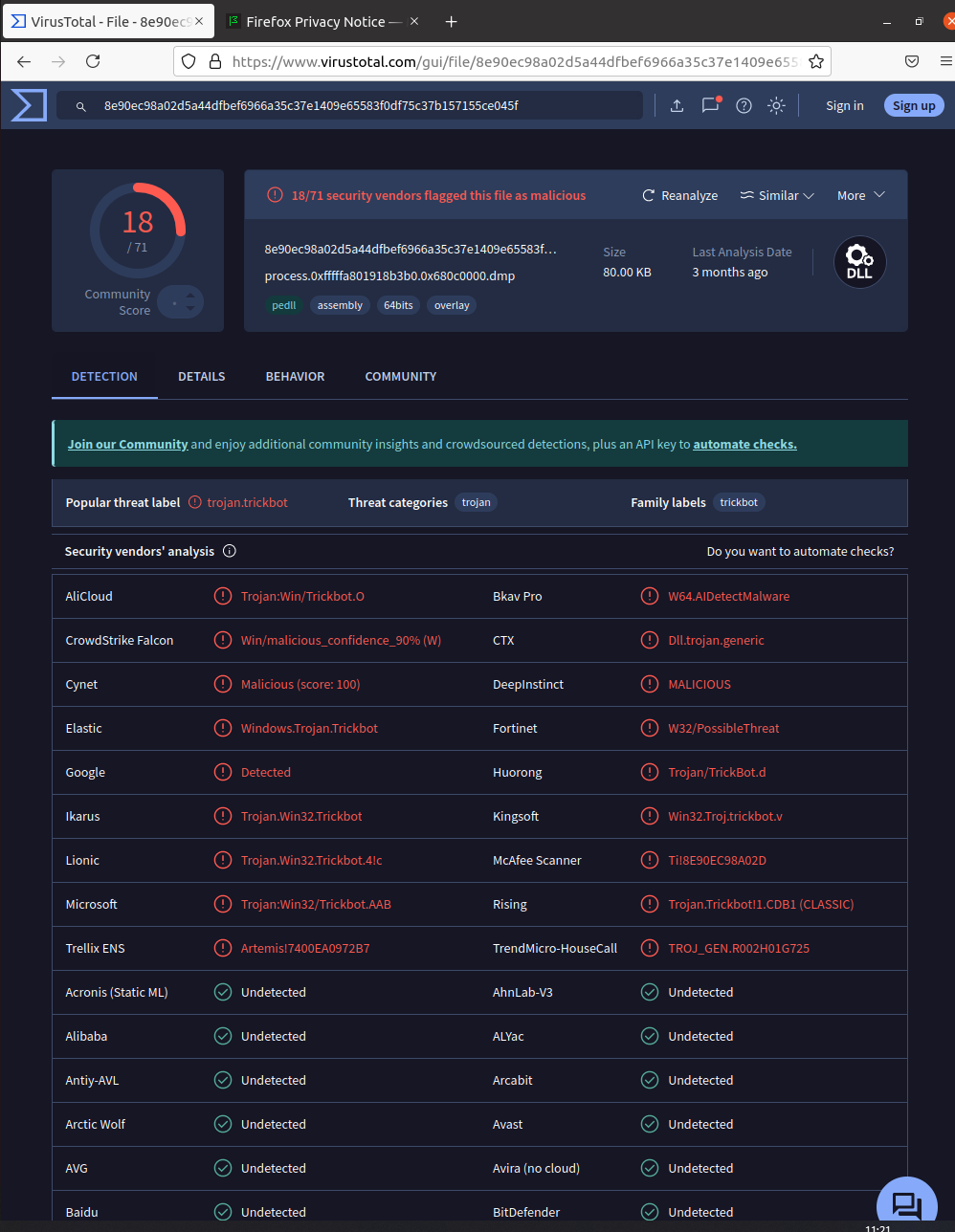
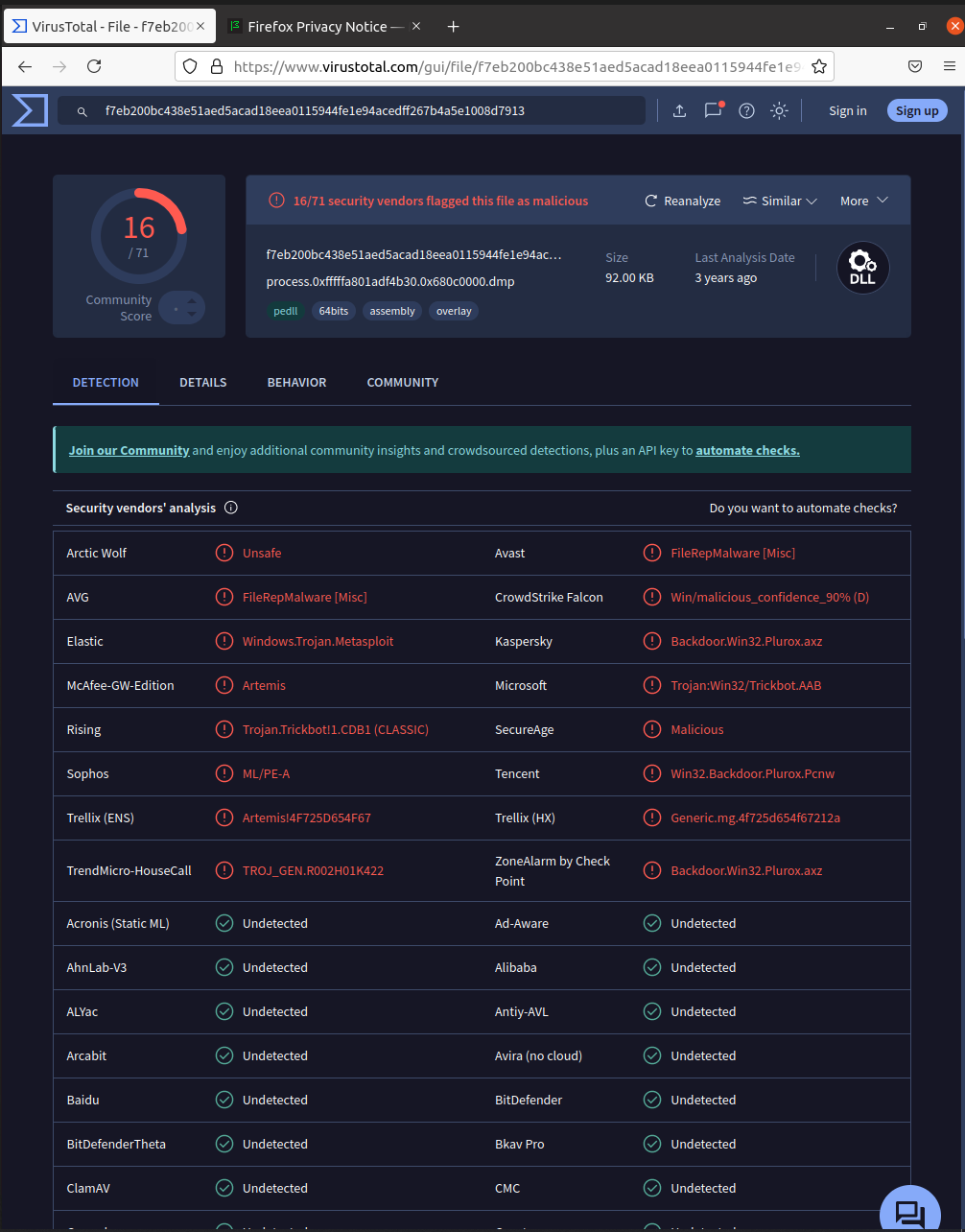
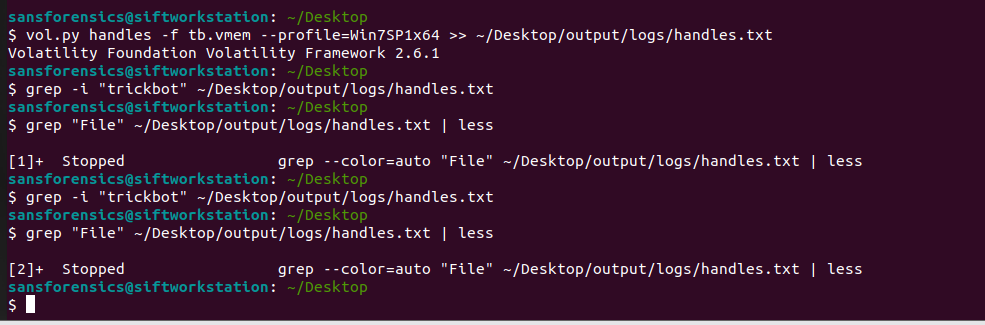
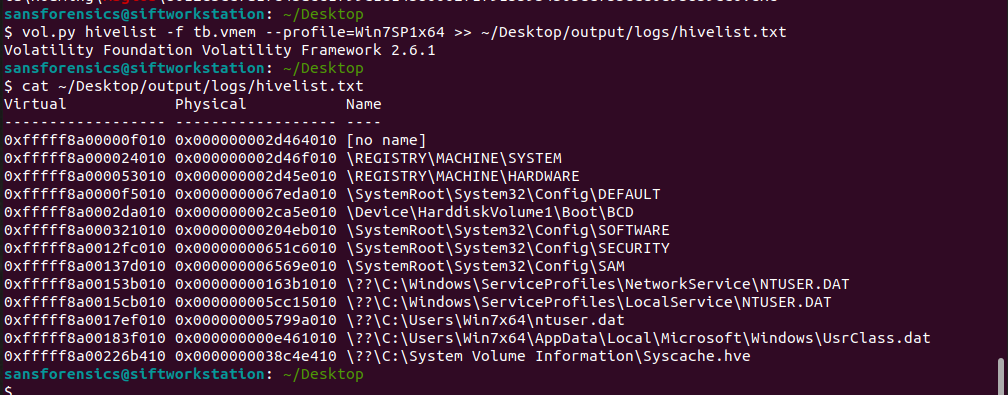
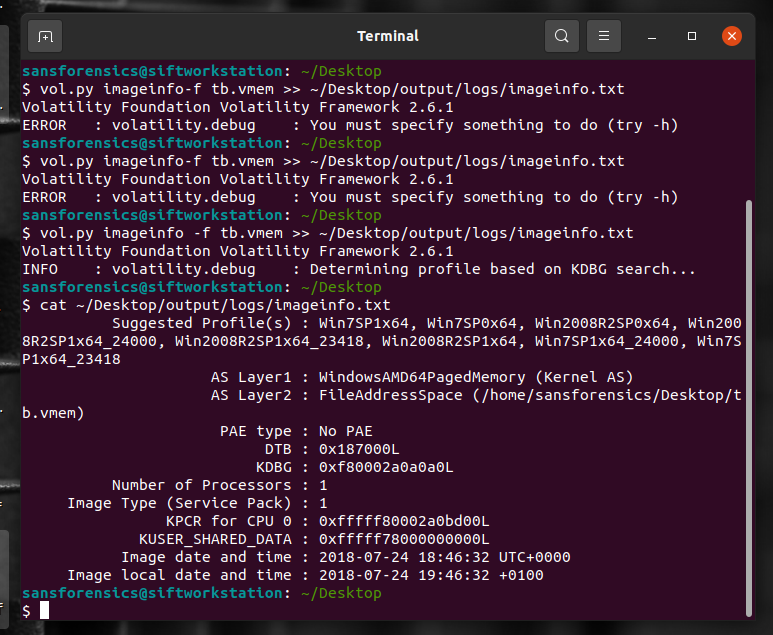
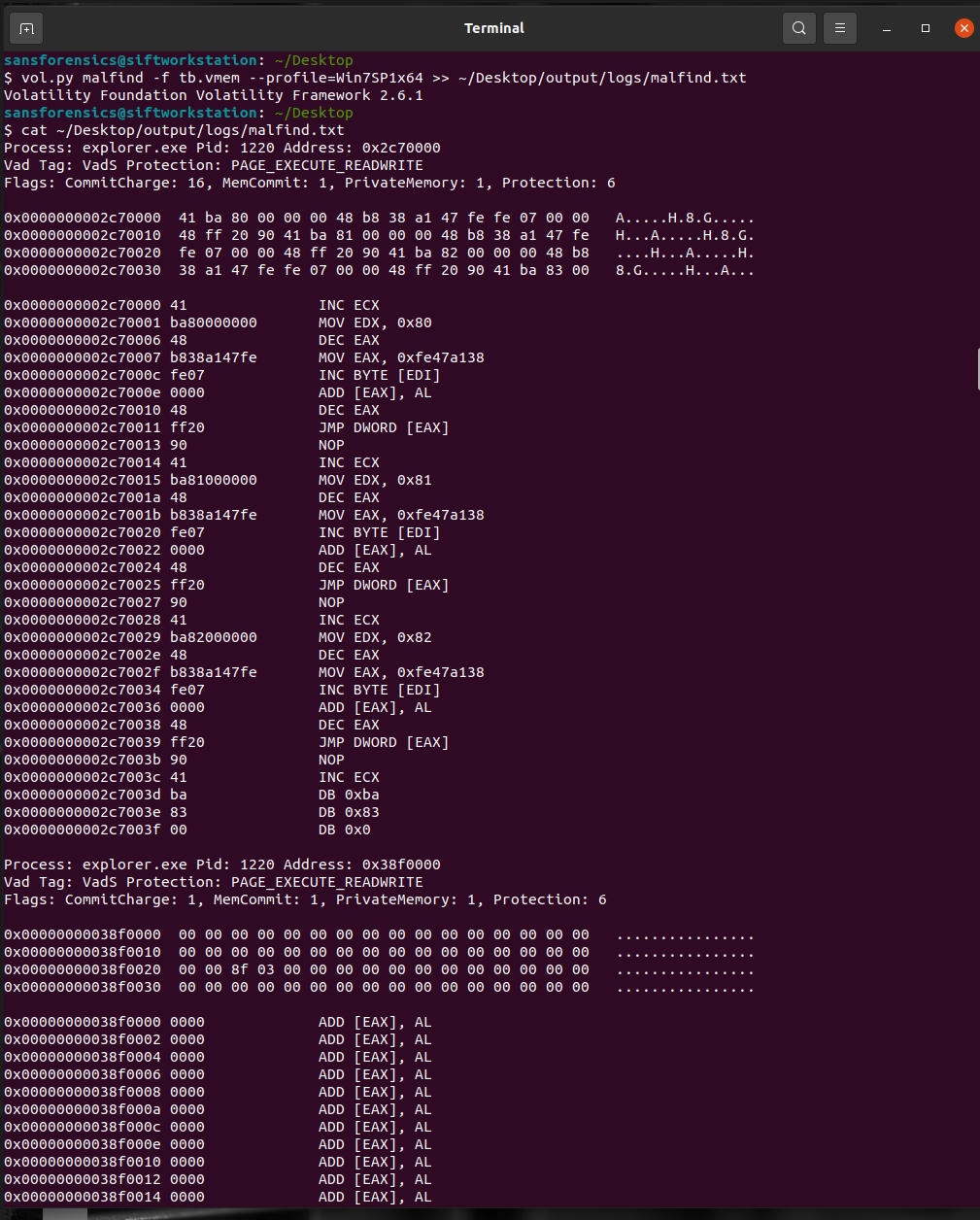
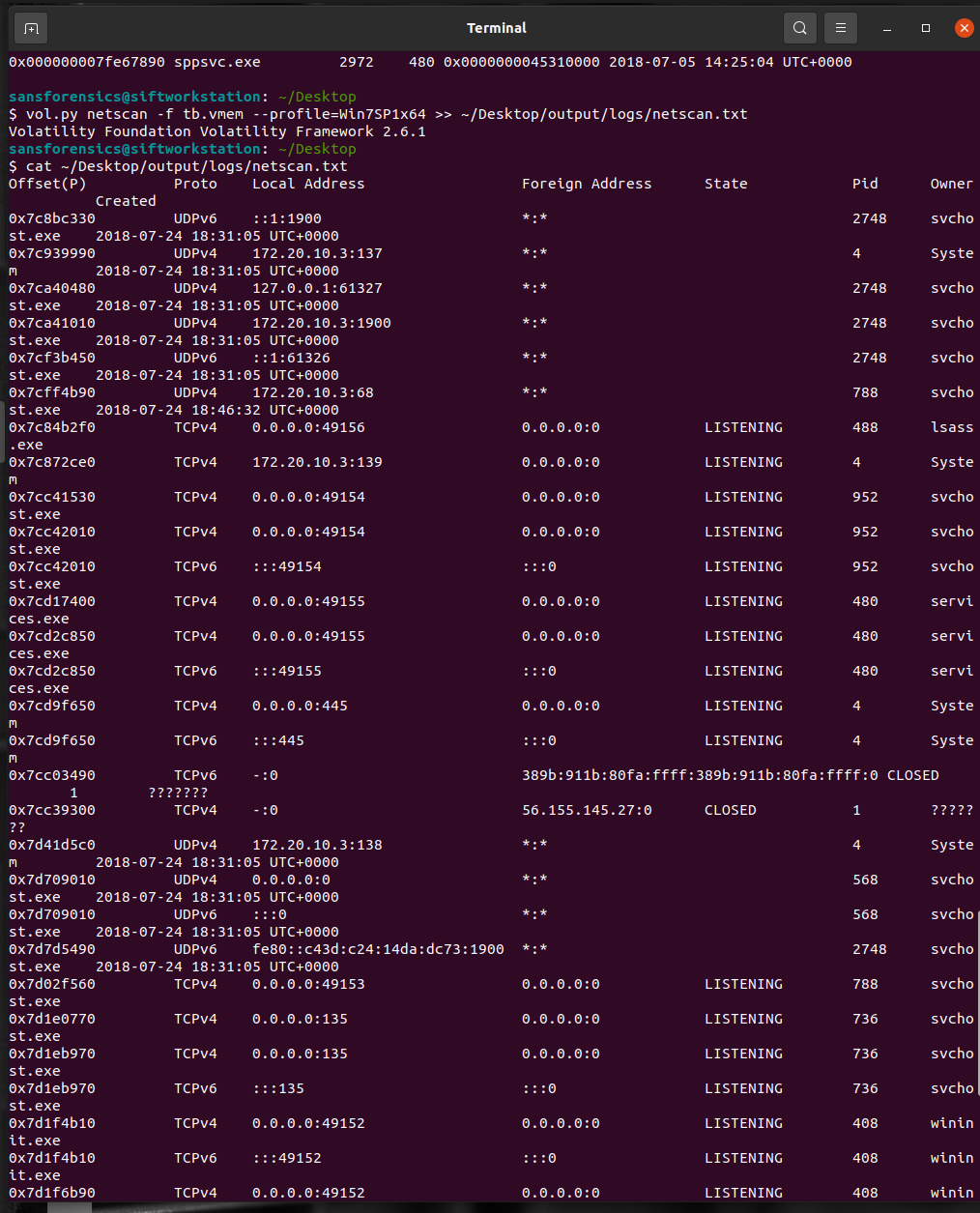
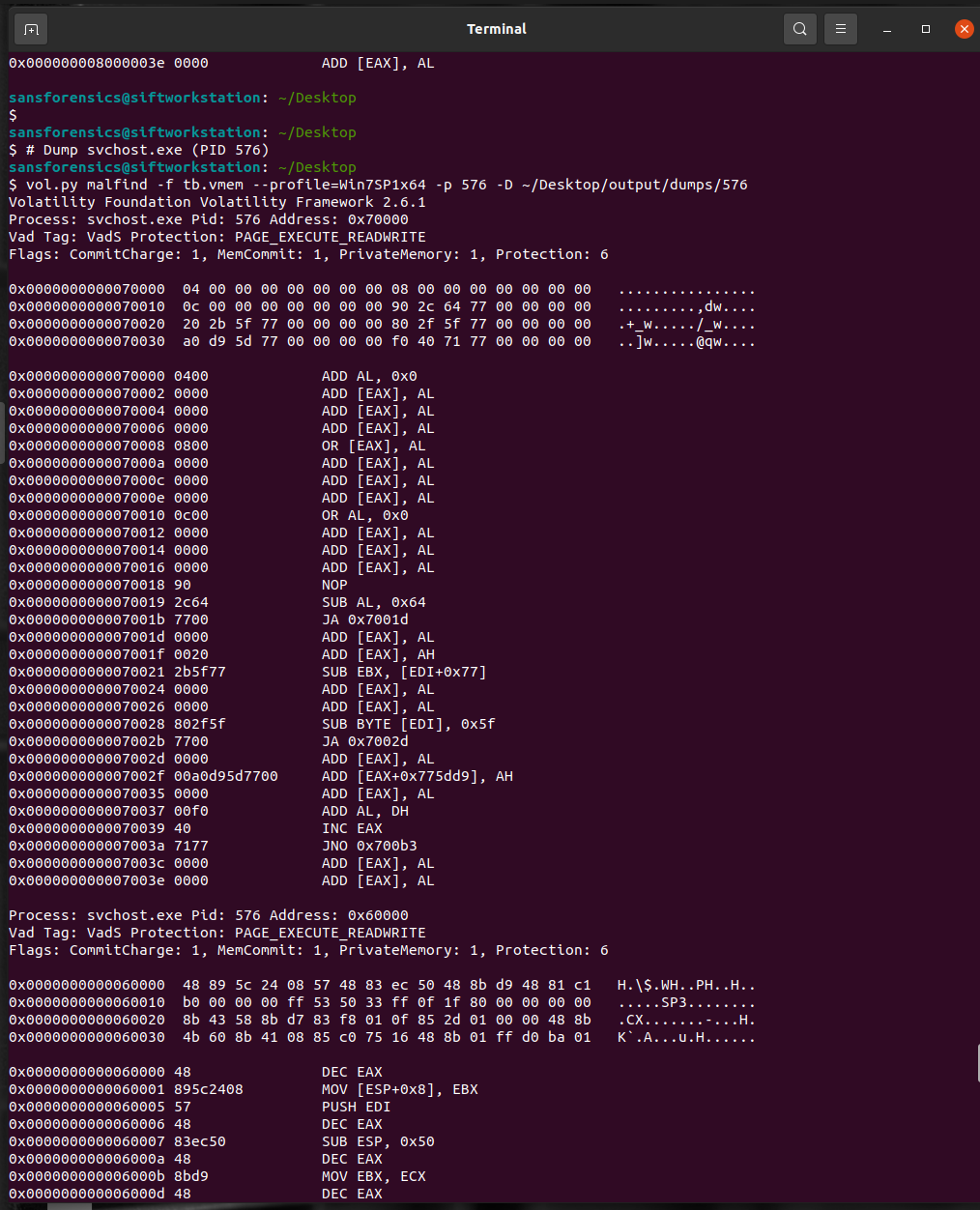
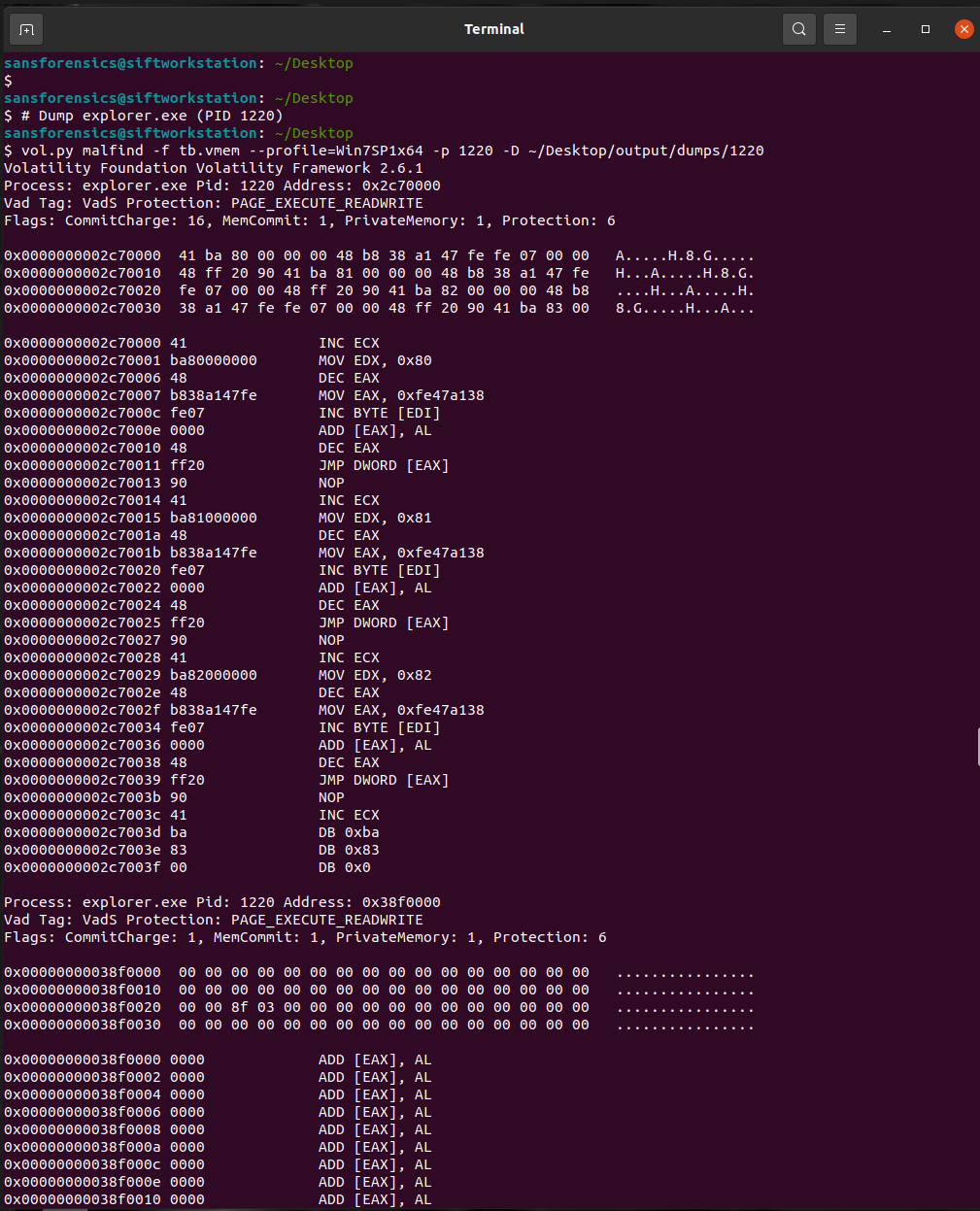
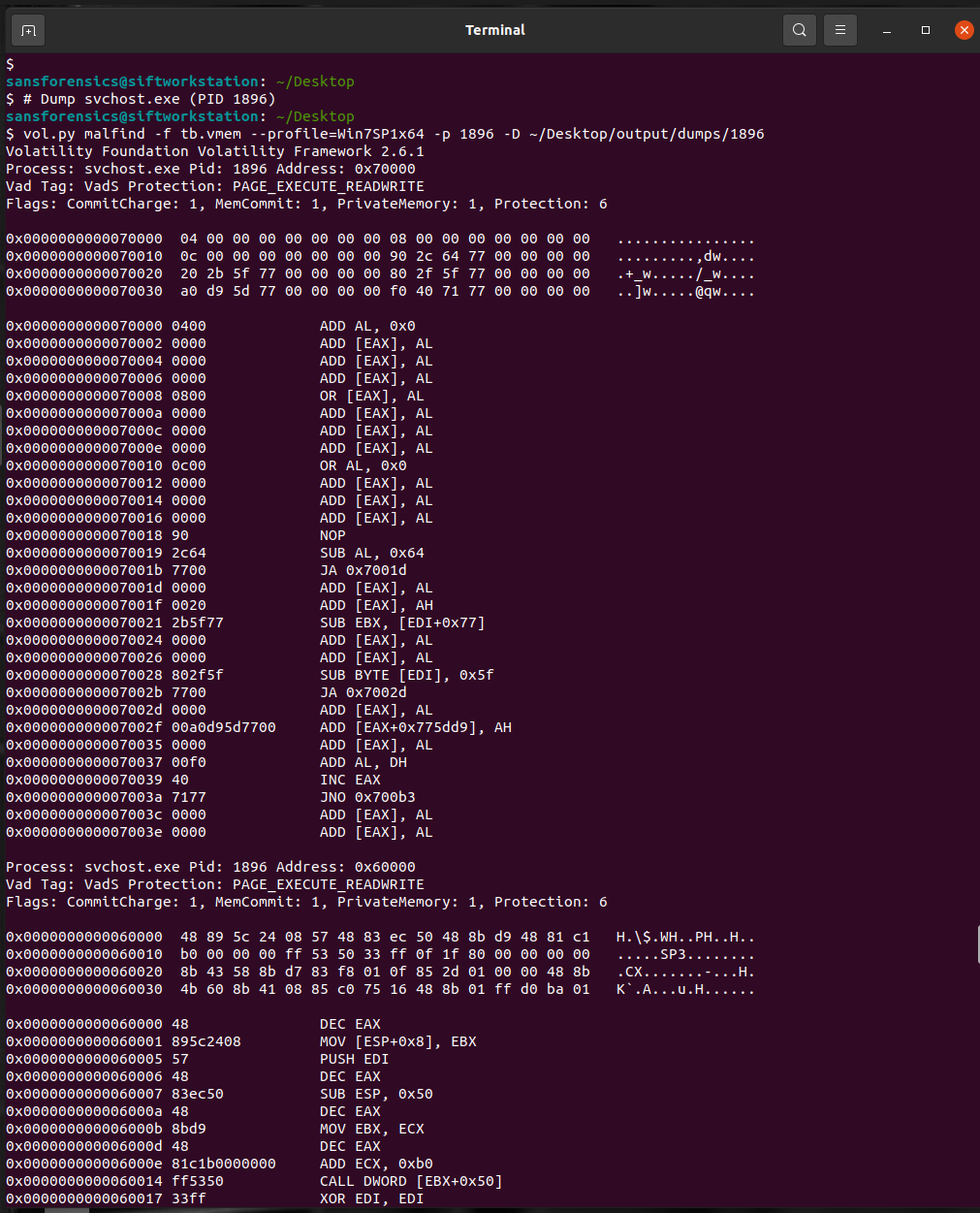
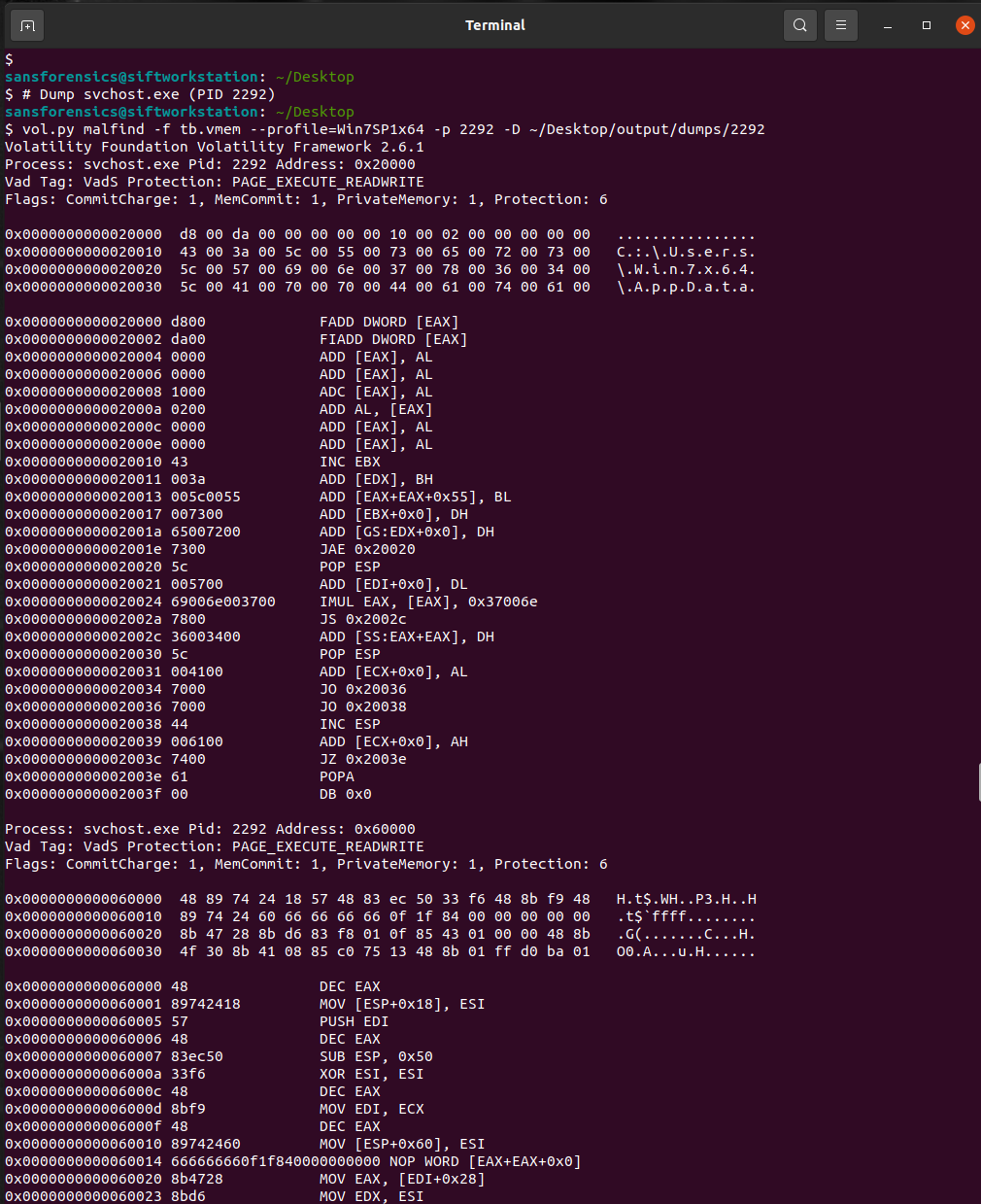
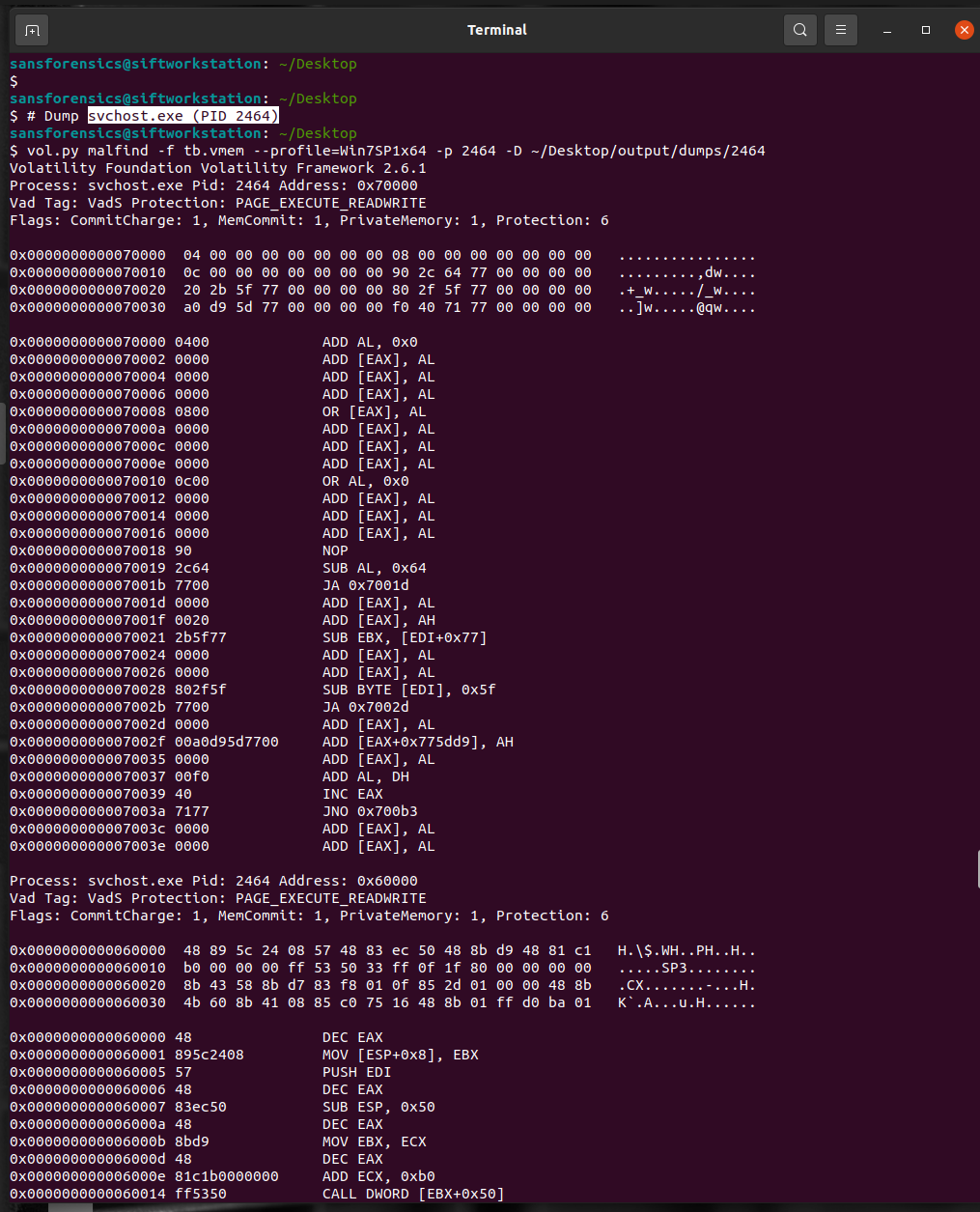
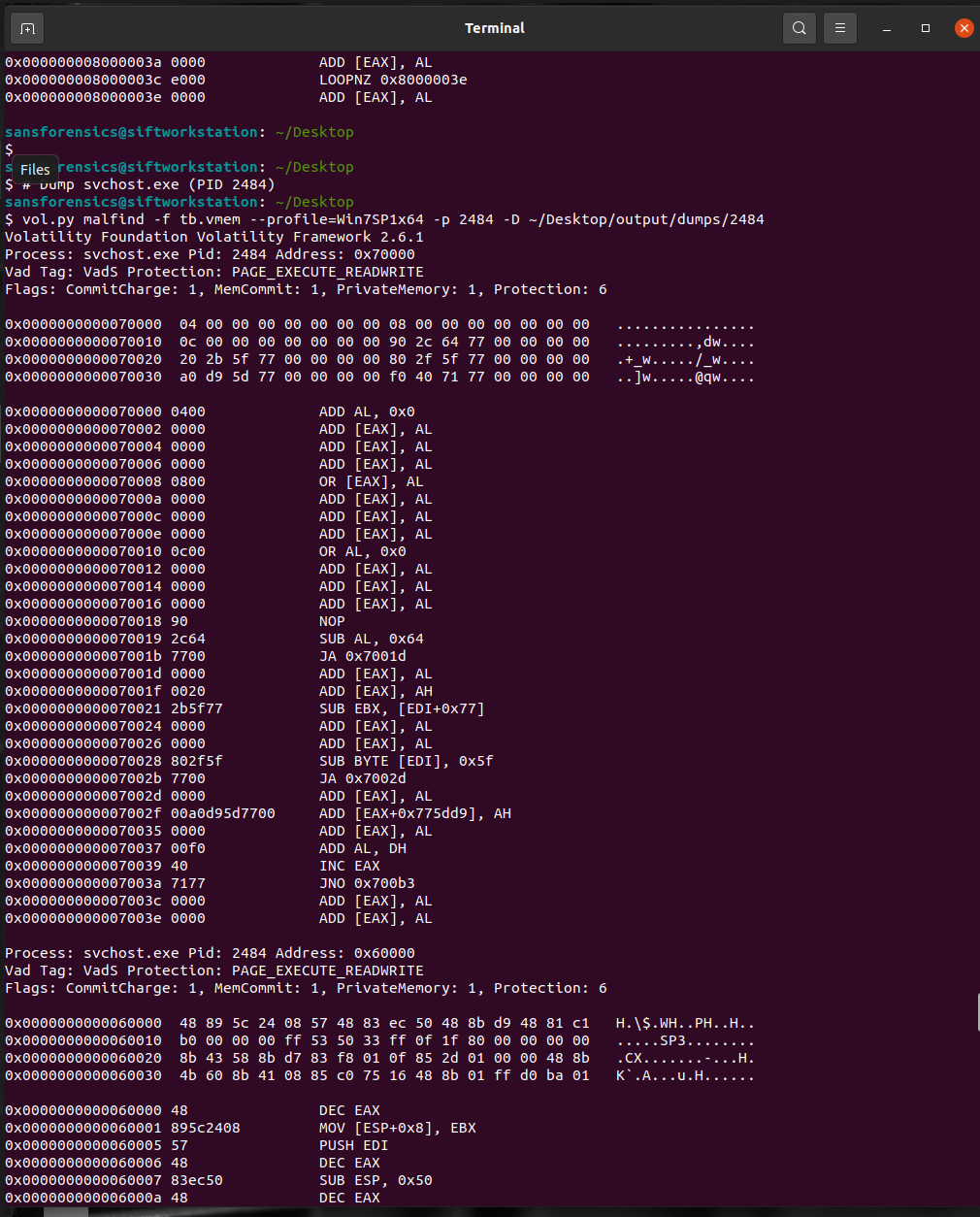
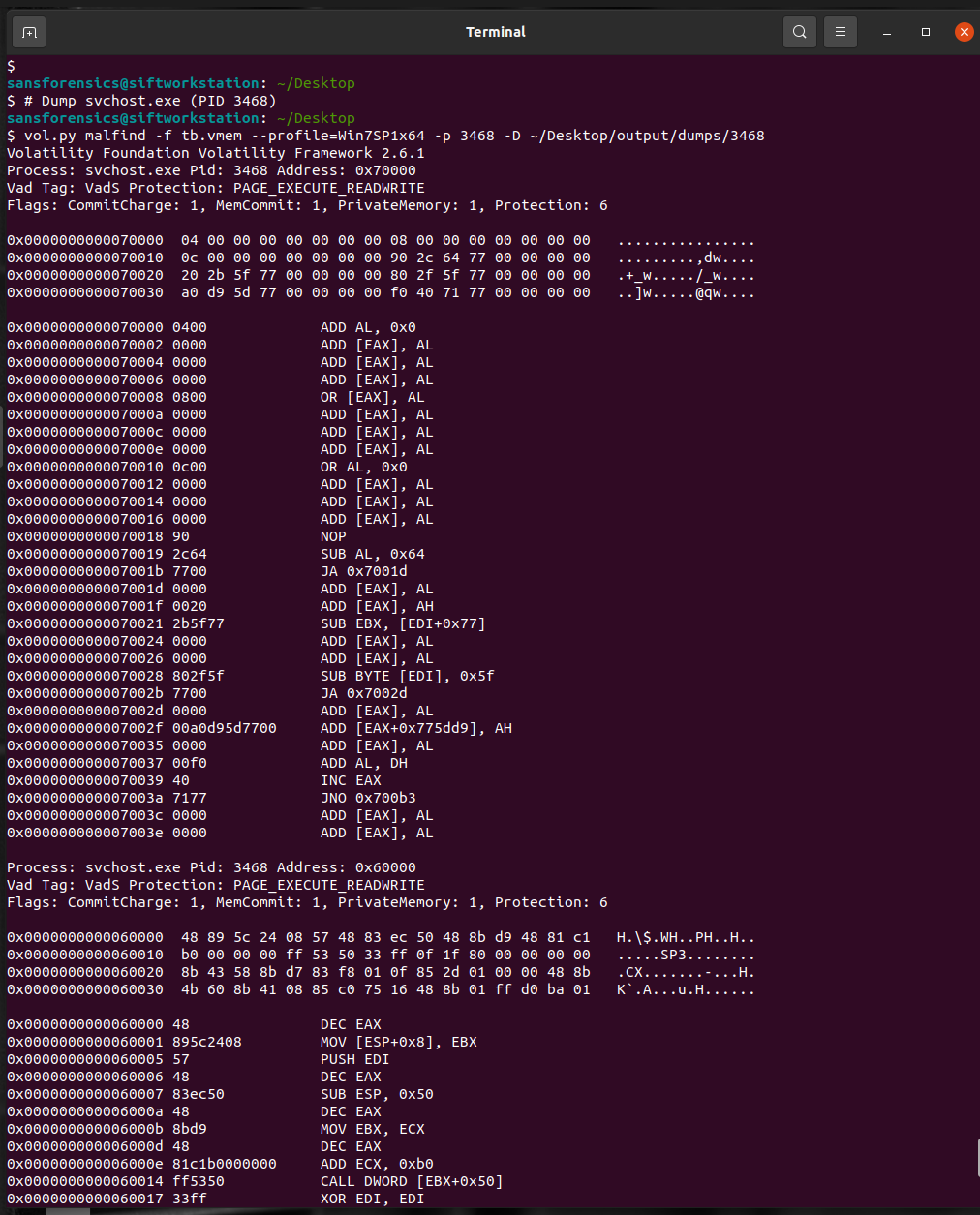
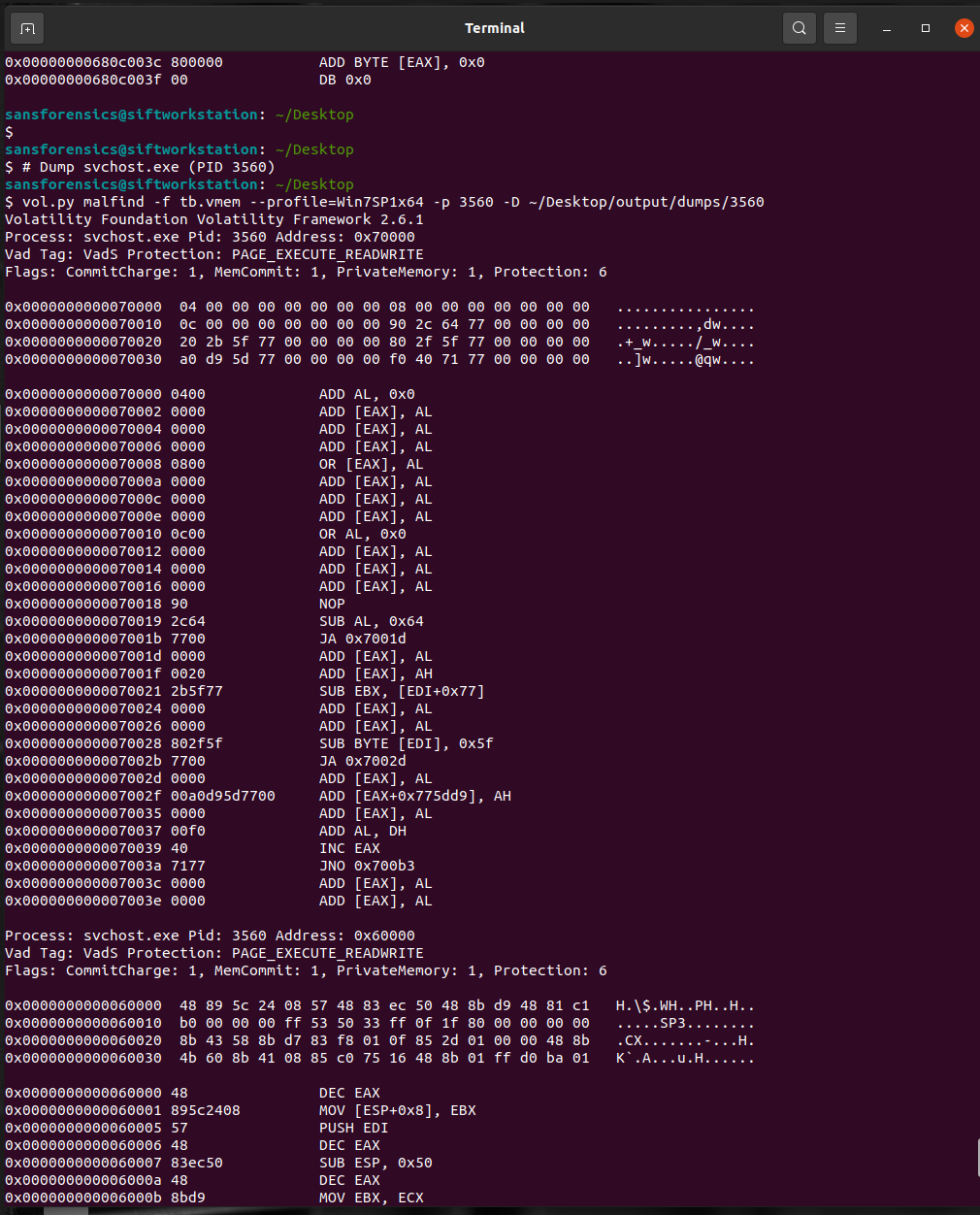
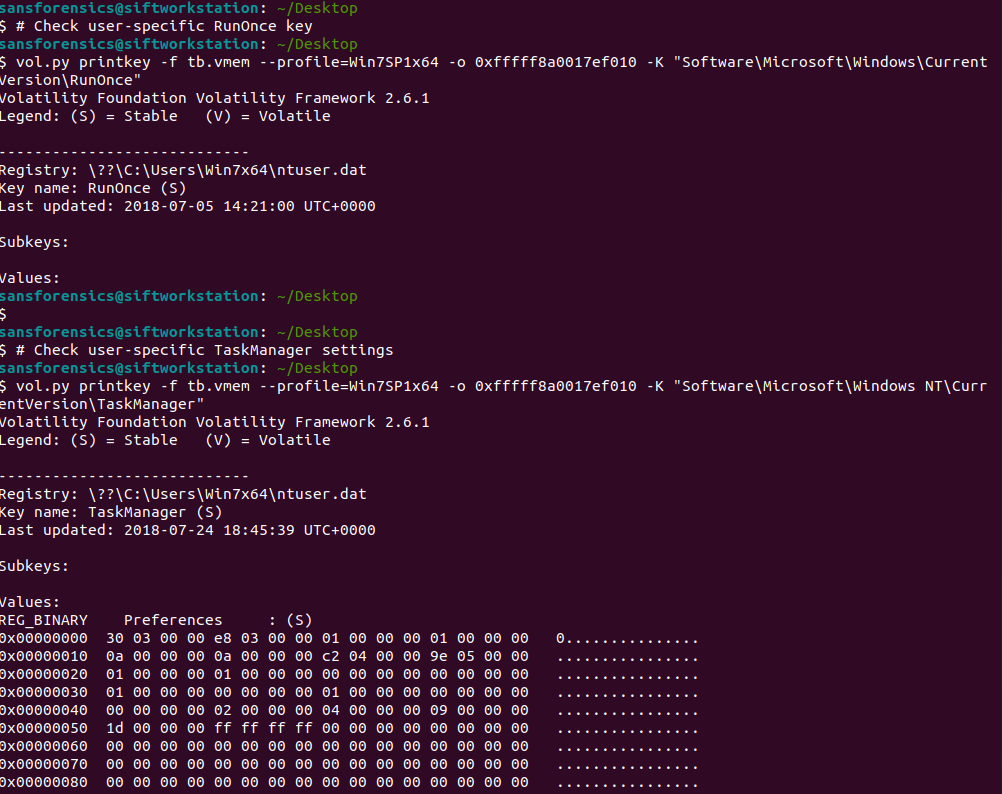
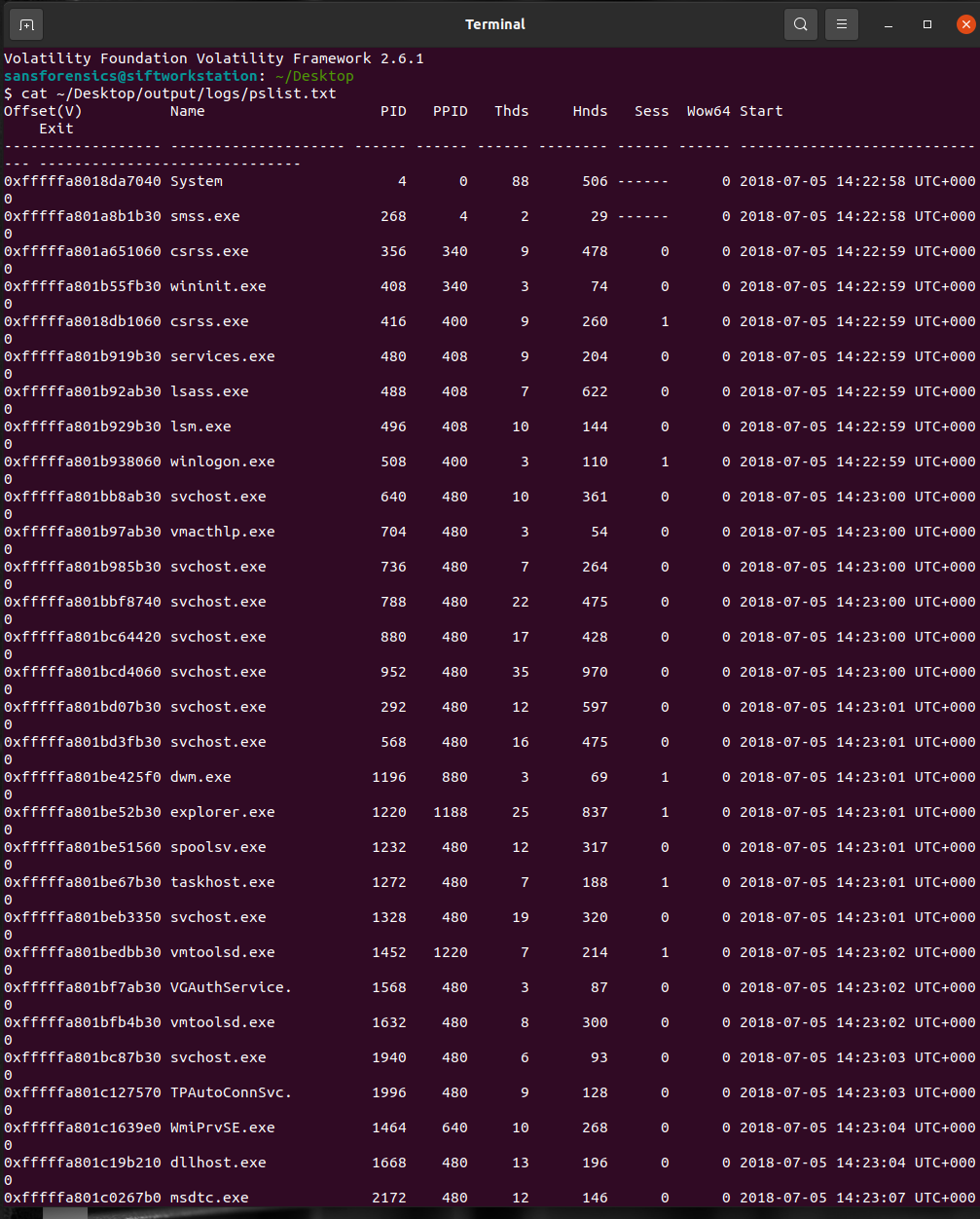
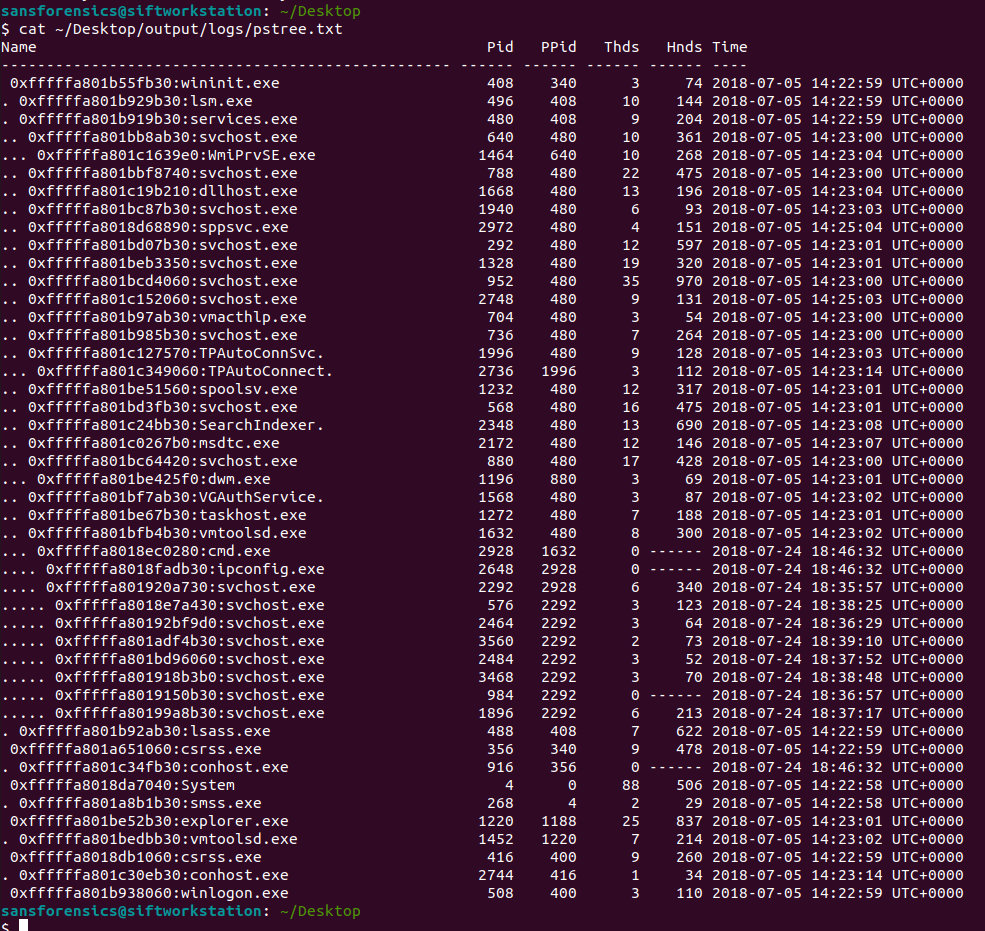
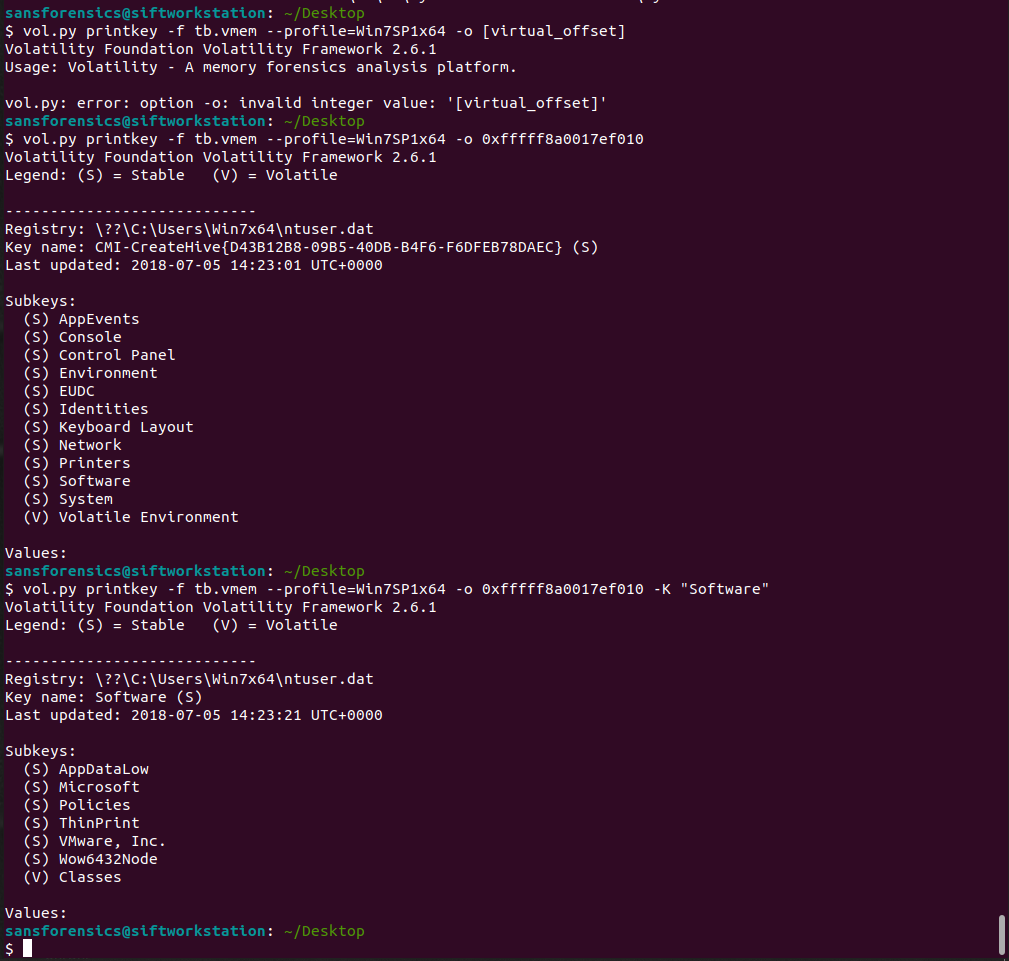
# Week 10: Memory Forensics ## Overview This lab performs a full memory forensics investigation of a Windows 7 system infected with the Trickbot banking trojan. Using the Volatility Framework, the investigation analyses a RAM dump to identify running processes, network connections, code injection, malware family, persistence mechanisms, and command-and-control (C2) infrastructure. ## Why This Is Necessary Memory forensics is essential for investigating advanced malware because: - Malware often operates entirely in memory without writing files to disk - Encryption and obfuscation in files is bypassed — memory shows the decrypted, running state of malicious code - Process injection hides malware inside legitimate Windows processes - Memory contains network artefacts, credentials, and keys not stored on disk - Volatile evidence (running processes, network connections) exists only in RAM and is lost when the system is powered off ## Tools Used - **Volatility Framework** (v2.6) — open-source memory forensics framework - **VirusTotal** — online malware hash analysis - **Imageinfo, Pslist, Pstree, Psscan, Netscan, Malfind** — Volatility plugins ## Key Concepts Covered - Identifying the OS profile from a memory dump (imageinfo) - Listing and comparing processes using pslist, pstree, and psscan - Detecting process injection via the malfind plugin - Analysing network connections active at time of memory capture - Using VirusTotal to identify malware family from injected PE hashes - Examining handles and DLLs to identify malicious file paths - Extracting registry hives from memory for offline analysis ## Malware Identified: Trickbot Trickbot is a sophisticated, modular banking trojan first observed in 2016. It is known for: - Credential theft (browser, Windows credential store) - Network propagation and lateral movement - Modular payload delivery (sinj, pwgrab, networkdll modules) - Command-and-control communication over HTTP/HTTPS - Process injection into legitimate Windows processes (explorer.exe, svchost.exe) ## Investigation Findings ### Imageinfo - **OS Profile:** Win7SP1x64 — Windows 7 Service Pack 1, 64-bit - **Memory dump date:** 2018-07-24 19:46:32 UTC+0100 ### Pslist — Process Analysis - **PID 2928:** cmd.exe - Start time: 2018-07-24 18:46:32 - Parent PID: 1632 (vmtoolsd.exe) — **suspicious** (cmd.exe should not be spawned by VMware Tools daemon) ### Pstree — Process Hierarchy - **PID 2292:** has **8 child processes** - Start date: 2018-07-24 18:35:57 - Likely infection date: **2018-07-24** ### Psscan - No hidden processes detected beyond those visible in pslist. ### Netscan — Suspicious Network Connections | Remote IP | Port | Assessment | |-----------|------|------------| | 185.17.120.178 | 80 | Trickbot C2 (HTTP) | | 188.124.167.132 | 8082 | Trickbot C2 (alt port) | | 158.58.131.54 | 443 | Trickbot C2 (HTTPS) | ### Malfind — Code Injection Processes with injected PE (MZ header) code: - explorer.exe (PID 1220) - svchost.exe (PIDs 576, 1896, 2292, 2464, 2484, 3468, 3560) ### VirusTotal Results - **Detection rate:** 16–50 vendors flagged samples as malicious - **Malware family:** **Trickbot** ### Handles / DLL Analysis - **Malicious folder:** `C:\Users\Win7x64\AppData\Roaming\nsgJob` - **Linked process:** explorer.exe (PID 1220) - **File prefix found:** `8012d3` — Trickbot component files ### Registry Analysis - **NTUSER.DAT offset:** 0xfffff8a0017ef010 - **SOFTWARE hive offset:** 0xfffff80000321010 - **SOFTWARE last updated:** 2018-07-05 14:23:01 UTC - **Subkeys under Software:** 7 ### Process Role Summary | PID | Process | Role | |-----|---------|------| | 576 | svchost.exe | System data harvesting | | 1220 | explorer.exe | Credential theft (password stealer) | | 1896 | svchost.exe | Financial data interception (sinj module) | | 2292 | svchost.exe | Parent of 8 child processes | | 2464 | svchost.exe | Financial data interception (sinj module) | | 2928 | cmd.exe | Network discovery / lateral movement | ## Screenshots ### Imageinfo ![OS Profile](https://static.pigsec.cn/wp-content/uploads/repos/2026/05/7f6693b4fd145034.png) *Volatility imageinfo output confirming the memory dump is from a Windows 7 SP1 64-bit system with profile Win7SP1x64.* ![Memory Details](https://static.pigsec.cn/wp-content/uploads/repos/2026/05/f75ddda5ff145043.png) *Full imageinfo output showing memory dump timestamp and system identifiers.* ### Process Analysis (Pslist) ![Full Process List](https://static.pigsec.cn/wp-content/uploads/repos/2026/05/fdbf0cd674145051.png) *Complete pslist output showing all running processes at time of capture.* ![CMD Process 2928](https://static.pigsec.cn/wp-content/uploads/repos/2026/05/dc8a2c2607145100.png) *PID 2928 (cmd.exe) highlighted — spawned by vmtoolsd.exe (PID 1632), which is suspicious and indicative of Trickbot lateral movement activity.* ![Parent Process](https://static.pigsec.cn/wp-content/uploads/repos/2026/05/02664c59e0145108.png) *Parent-child process relationship analysis confirming the anomalous cmd.exe lineage.* ### Process Tree (Pstree) ![Process Hierarchy](https://static.pigsec.cn/wp-content/uploads/repos/2026/05/048d60dae3145117.png) *Pstree output showing the full process hierarchy and identifying PID 2292 with 8 child processes — consistent with Trickbot module spawning.* ![Child Processes](https://static.pigsec.cn/wp-content/uploads/repos/2026/05/c73a367929145124.png) *Detailed view of PID 2292's 8 child processes and their start timestamps.* ### Psscan ![Psscan Full](https://static.pigsec.cn/wp-content/uploads/repos/2026/05/7ee3064e05145131.png) *Full psscan output — no additional hidden processes identified beyond those visible in pslist.* ![Psscan Summary](https://static.pigsec.cn/wp-content/uploads/repos/2026/05/c76d3930f3145135.png) *Summary confirming psscan and pslist results are consistent.* ### Network Connections (Netscan) ![Network Connections](https://static.pigsec.cn/wp-content/uploads/repos/2026/05/1b55dd6bd5145140.png) *Netscan output showing all network connections active at time of capture.* ![C2 Addresses](https://static.pigsec.cn/wp-content/uploads/repos/2026/05/09f0023b67145144.png) *Three suspicious external IP addresses identified: 185.17.120.178:80, 188.124.167.132:8082, and 158.58.131.54:443 — all Trickbot C2 endpoints.* ### Code Injection (Malfind) ![PE Header Injection](https://static.pigsec.cn/wp-content/uploads/repos/2026/05/0f26ab1203145151.png) *Malfind output showing the MZ (4D 5A) PE header in injected memory regions — confirming shellcode injection into legitimate processes.* ![Malicious Processes](https://static.pigsec.cn/wp-content/uploads/repos/2026/05/32748c1bbe145201.png) *List of all processes flagged by malfind: explorer.exe (PID 1220) and multiple svchost.exe instances.* ### VirusTotal ![Detection Summary](https://static.pigsec.cn/wp-content/uploads/repos/2026/05/58c2a665fe145216.png) *VirusTotal results showing 16–50 vendor detections for the extracted memory samples.* ![Trickbot Identified](https://static.pigsec.cn/wp-content/uploads/repos/2026/05/21a1c46fa3145225.png) *Malware family confirmed as Trickbot by multiple antivirus vendors.* ### Handles and DLL Analysis ![Malicious Folder](https://static.pigsec.cn/wp-content/uploads/repos/2026/05/7286f6c50f145232.png) *Handle analysis revealing the Trickbot data directory: C:\Users\Win7x64\AppData\Roaming\nsgJob linked to explorer.exe.* ![Explorer DLL](https://static.pigsec.cn/wp-content/uploads/repos/2026/05/045f44192d145240.png) *DLL list for explorer.exe (PID 1220) confirming injected Trickbot modules.* ![File Prefix](https://static.pigsec.cn/wp-content/uploads/repos/2026/05/1364577b14145247.png) *File prefix 8012d3 identified — a Trickbot component file naming pattern.* ### Registry Analysis ![Hivelist](https://static.pigsec.cn/wp-content/uploads/repos/2026/05/fcde20572a145257.png) *Hivelist output showing memory addresses of all loaded registry hives.* ![Software Hive](https://raw.githubusercontent.com/Arizonal8/Memory-Forensics/main/screenshots/volatility-registry-software-hive-analysis.png) *Software hive analysis showing last update timestamp: 2018-07-05 14:23:01.* ![Subkeys](https://static.pigsec.cn/wp-content/uploads/repos/2026/05/ad01758083145308.png) *Enumeration of 7 subkeys under the Software registry key in memory.* ### Additional Analysis ![Data Harvesting](https://static.pigsec.cn/wp-content/uploads/repos/2026/05/26847e7c5b145316.png) *PID 576 (svchost.exe) identified as responsible for system data collection.* ![Financial Module](https://static.pigsec.cn/wp-content/uploads/repos/2026/05/c7bb7c5aa2145321.png) *PID 1896 linked to the sinj (banking injection) Trickbot module for intercepting financial transactions.* ![Credential Theft](https://static.pigsec.cn/wp-content/uploads/repos/2026/05/763fd7b39c145328.png) *PID 1220 (explorer.exe) confirmed as Trickbot's credential harvesting component, targeting the Windows credential store.* ![Exfiltration](https://static.pigsec.cn/wp-content/uploads/repos/2026/05/7e340ff394145337.png) *Network evidence showing data exfiltration traffic to C2 servers.* ![Lateral Movement](https://static.pigsec.cn/wp-content/uploads/repos/2026/05/6148a39db4145343.png) *PID 2928 (cmd.exe) used by Trickbot for network discovery and lateral movement across the compromised environment.* ## Learning Outcomes - Acquire and analyse a Windows memory dump using Volatility - Identify running processes and detect anomalous parent-child relationships - Use malfind to detect process injection and extract injected PE files - Analyse network connections to identify C2 communication - Use VirusTotal to attribute malware samples to a known family - Examine handles and DLLs to identify malicious artefacts in memory - Extract and analyse registry hives from a memory dump