Khaledayman9/ops-pilot
GitHub: Khaledayman9/ops-pilot
面向 SRE 场景的生产级多智能体 AI 事件响应平台,通过十二个专业智能体协同完成事件分类、根因分析和修复方案生成。
Stars: 1 | Forks: 1
# ⚡ Ops-Pilot — 基于 AI 的 SRE 事件响应平台













Ops-Pilot 是一个生产级的多智能体 AI 系统,专为 SRE 事件响应设计。中央编排器协调十二个专业的 AI 智能体,用于对事件进行分类、遍历服务依赖知识图谱、扫描代码仓库和 Terraform 状态、分析遥测数据、确定根本原因,并生成可操作的修复方案——所有结果均通过 Server-Sent Events 实时流式传输给操作员。
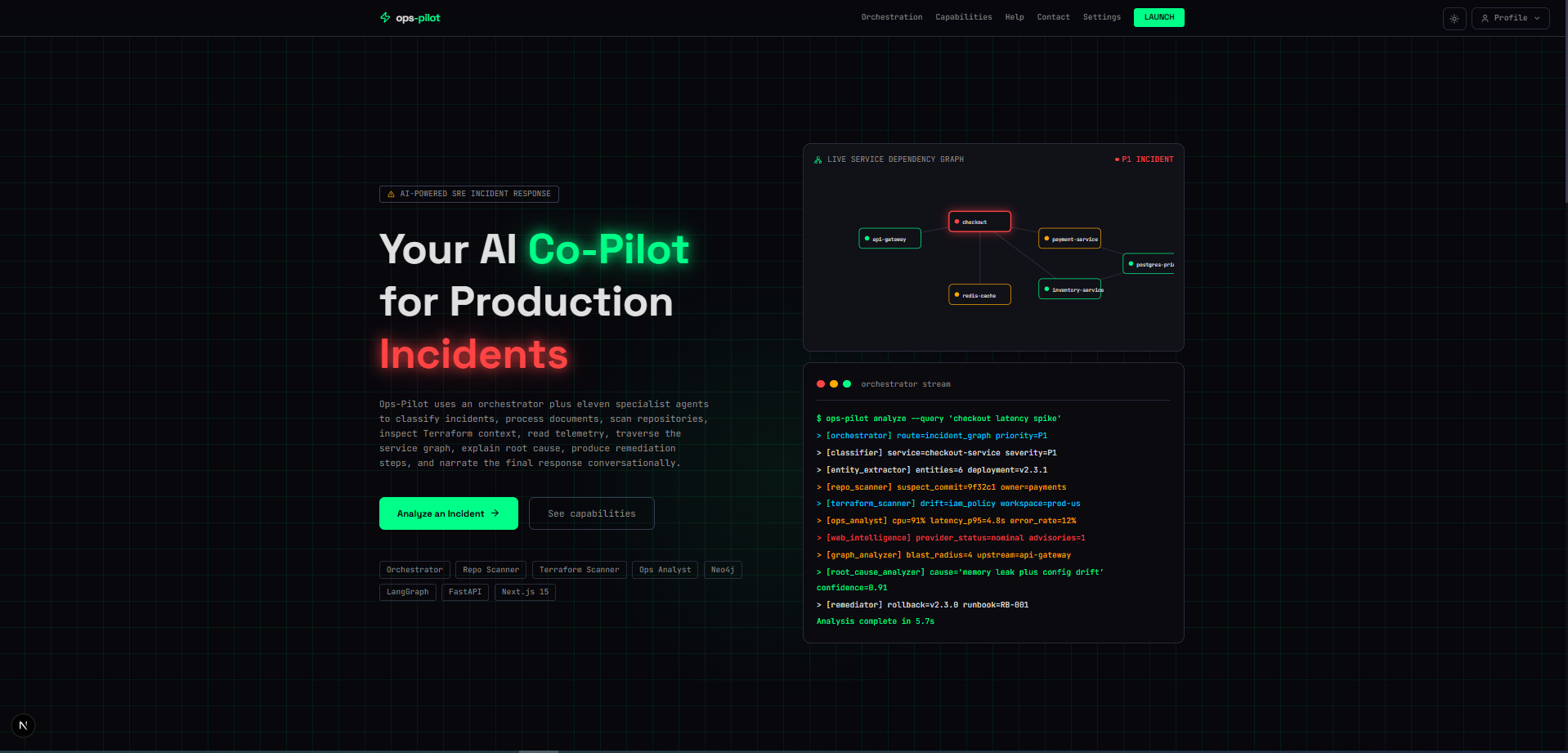
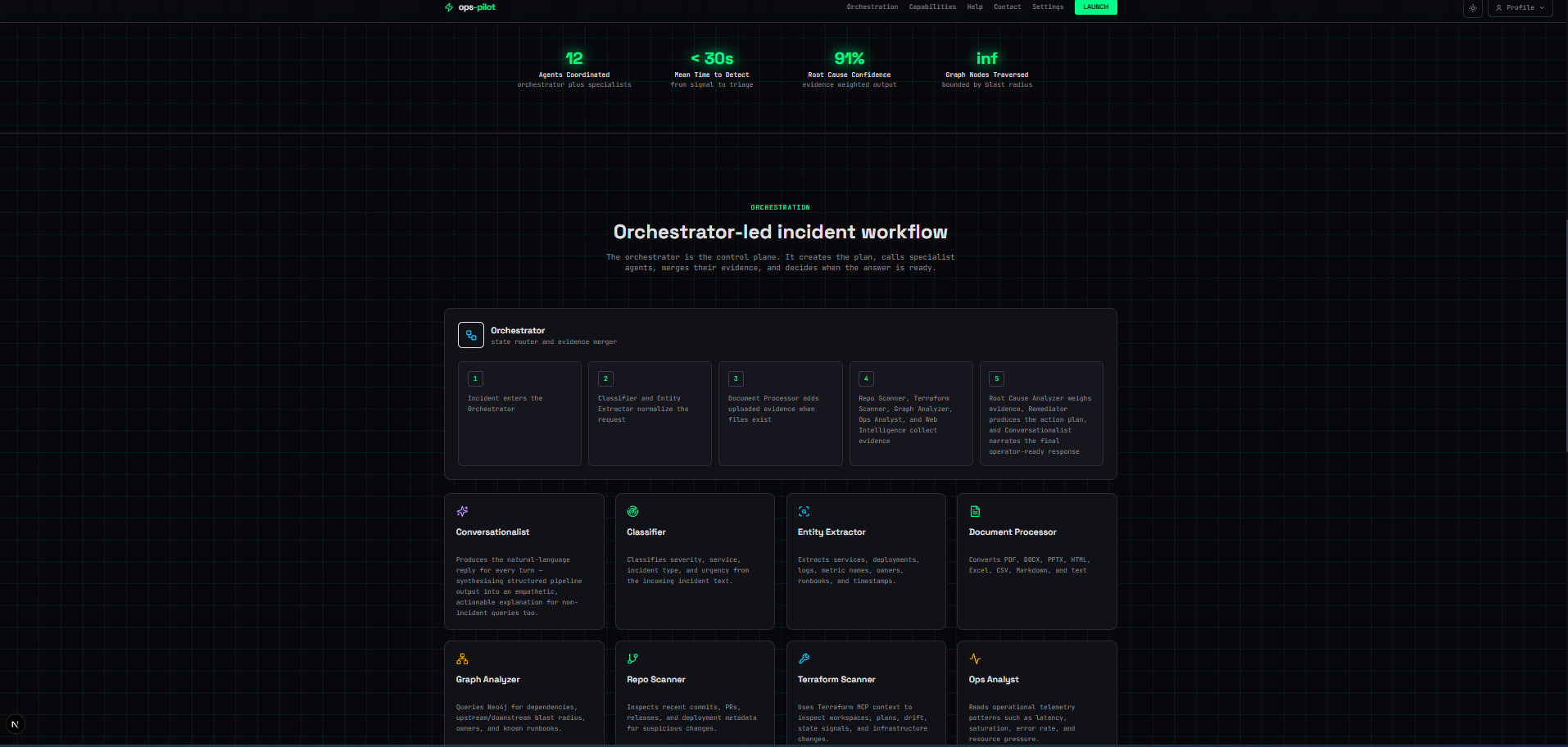 ## 目录
- [布局](#layout)
- [架构概述](#architecture-overview)
- [技术栈](#tech-stack)
- [智能体流水线](#agent-pipeline)
- [快速开始](#quick-start)
- [API 路由](#api-routes)
- [身份验证](#authentication)
- [安全护栏](#security-guardrails)
- [流式传输 (SSE)](#streaming-sse)
- [Neo4j 知识图谱](#neo4j-knowledge-graph)
- [LLM 供应商切换](#llm-provider-switching)
- [Alembic 数据迁移](#alembic-migrations)
- [Celery 定期任务](#celery-periodic-tasks)
- [MCP 集成](#mcp-integrations)
- [Docker 目标](#docker-targets)
- [环境变量](#environment-variables)
- [测试](#testing)
- [CI/CD](#cicd)
## 布局
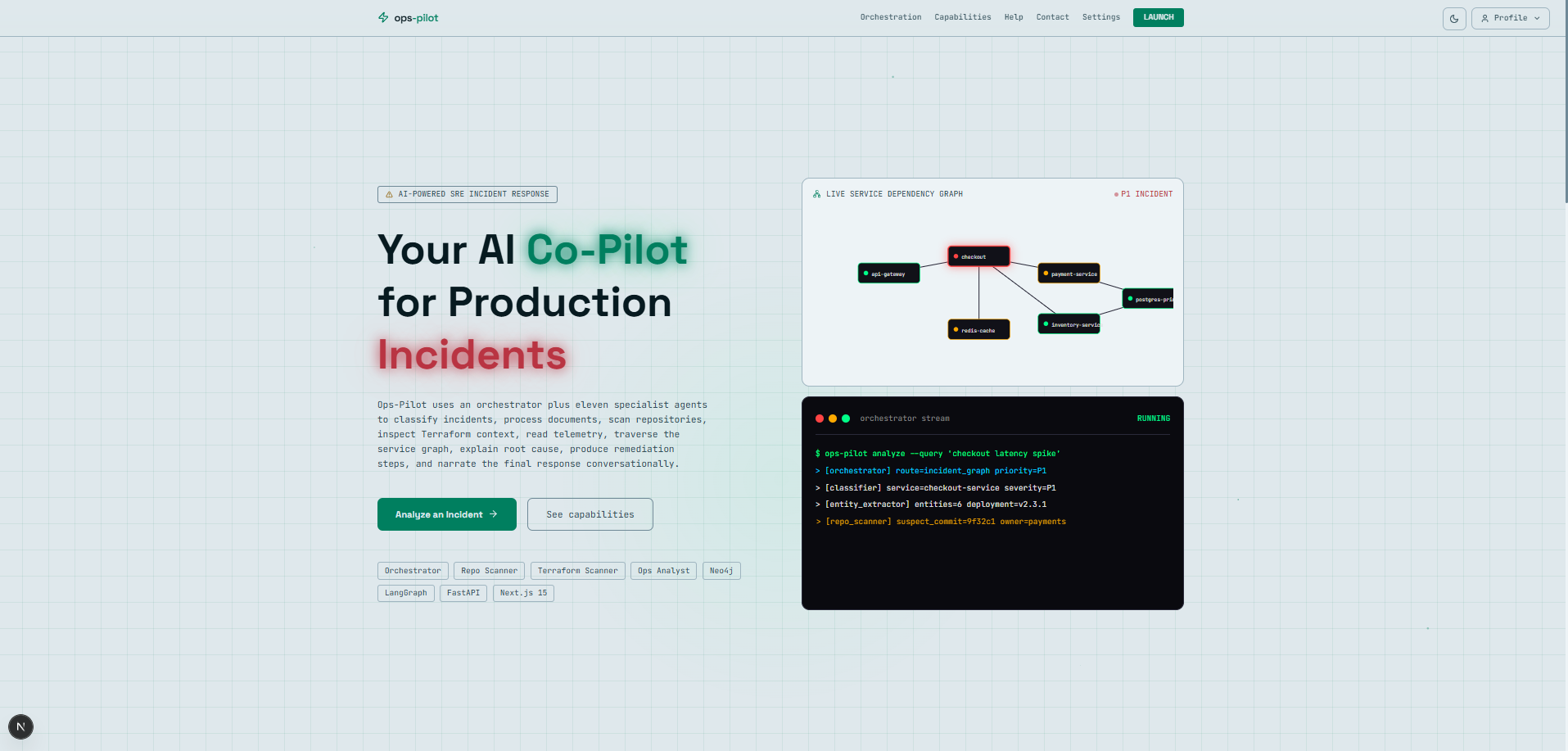
**浅色模式:**
## 目录
- [布局](#layout)
- [架构概述](#architecture-overview)
- [技术栈](#tech-stack)
- [智能体流水线](#agent-pipeline)
- [快速开始](#quick-start)
- [API 路由](#api-routes)
- [身份验证](#authentication)
- [安全护栏](#security-guardrails)
- [流式传输 (SSE)](#streaming-sse)
- [Neo4j 知识图谱](#neo4j-knowledge-graph)
- [LLM 供应商切换](#llm-provider-switching)
- [Alembic 数据迁移](#alembic-migrations)
- [Celery 定期任务](#celery-periodic-tasks)
- [MCP 集成](#mcp-integrations)
- [Docker 目标](#docker-targets)
- [环境变量](#environment-variables)
- [测试](#testing)
- [CI/CD](#cicd)
## 布局
**浅色模式:**
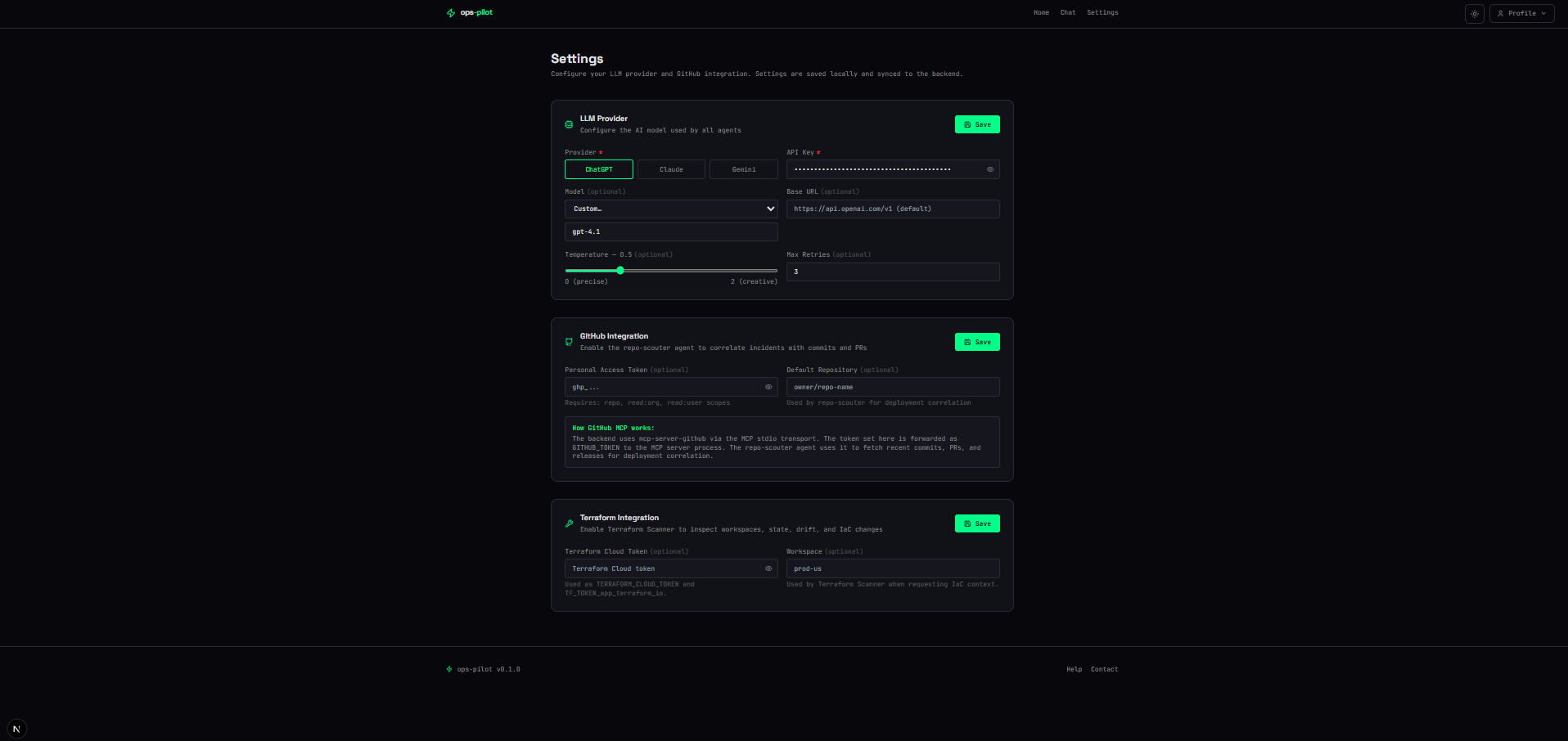
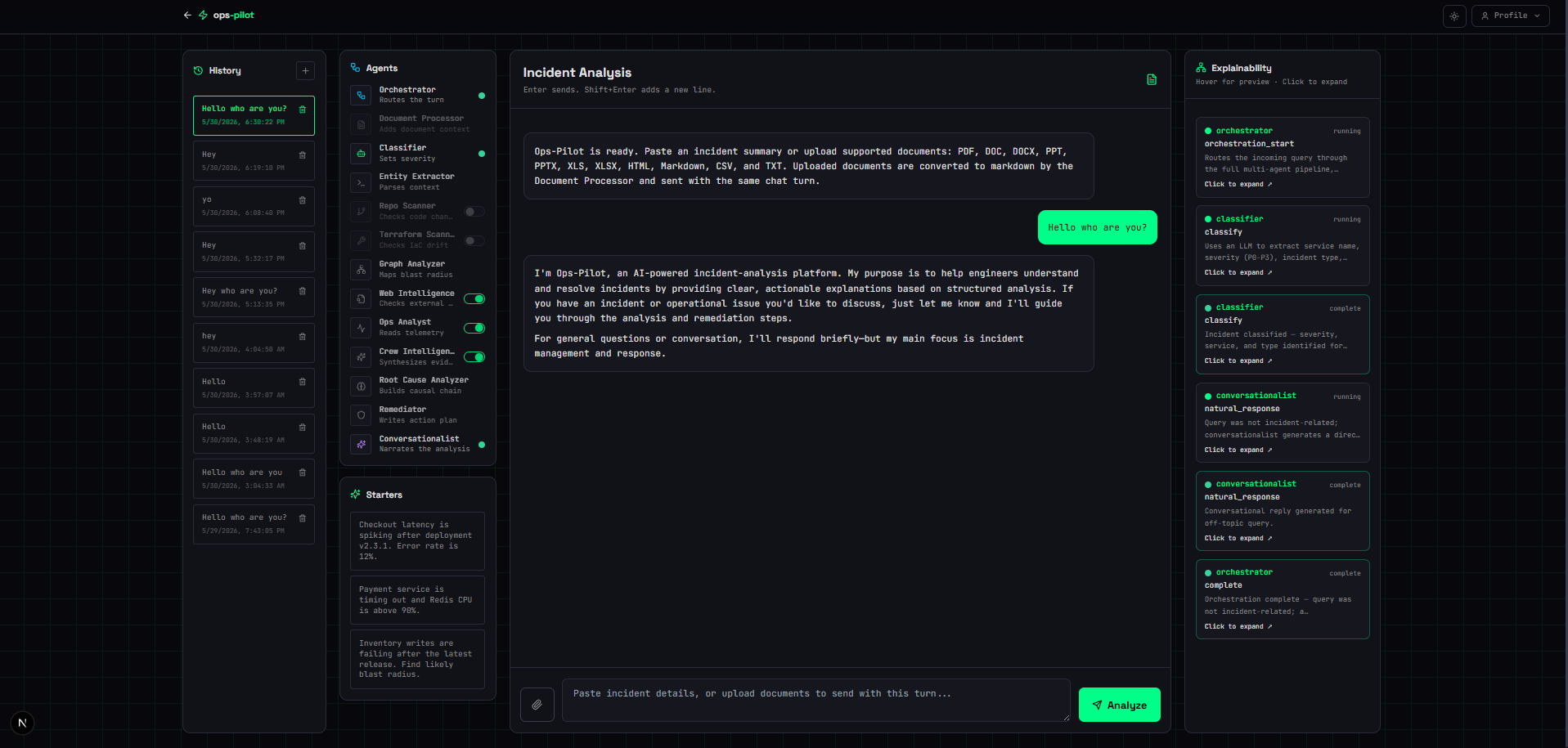 **查询:**
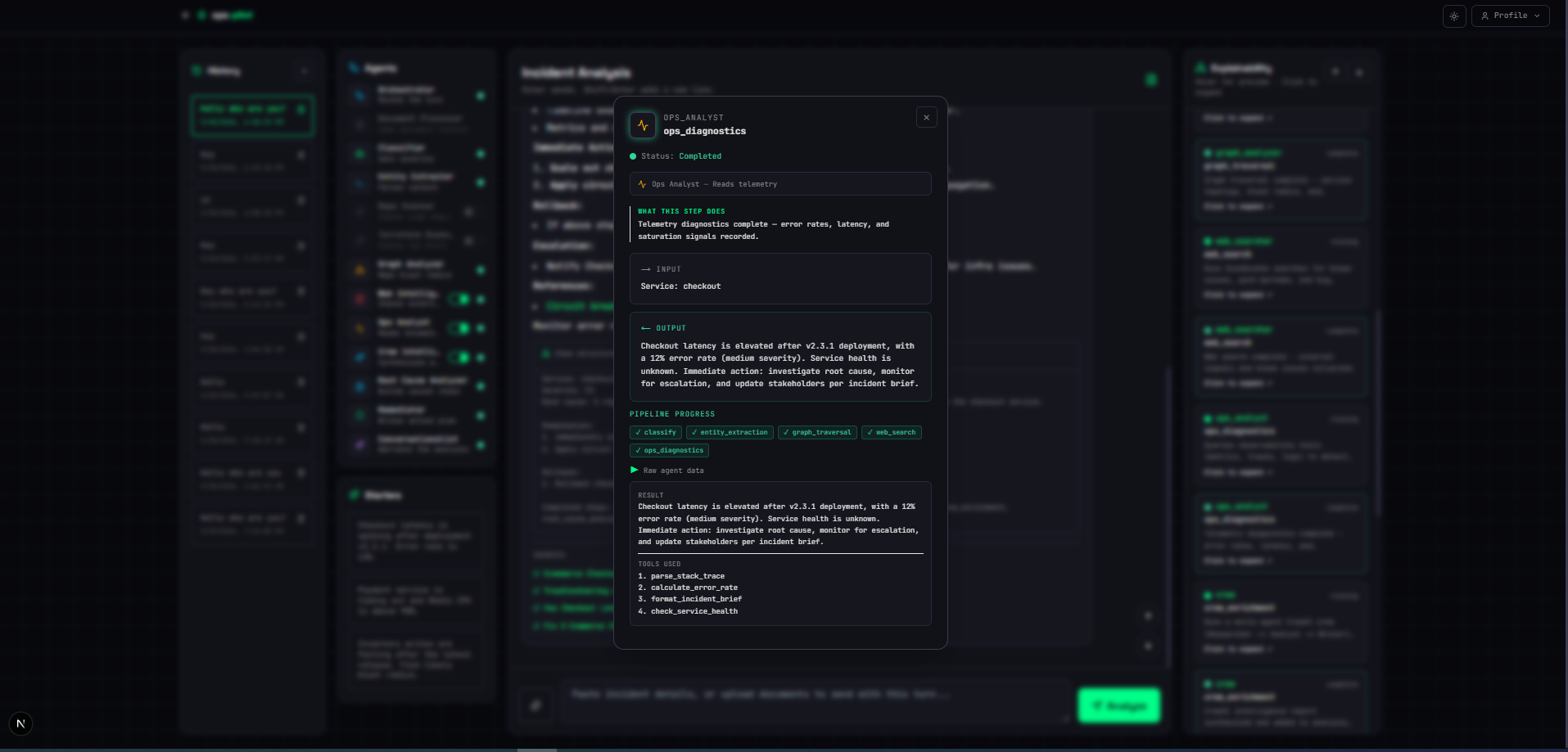
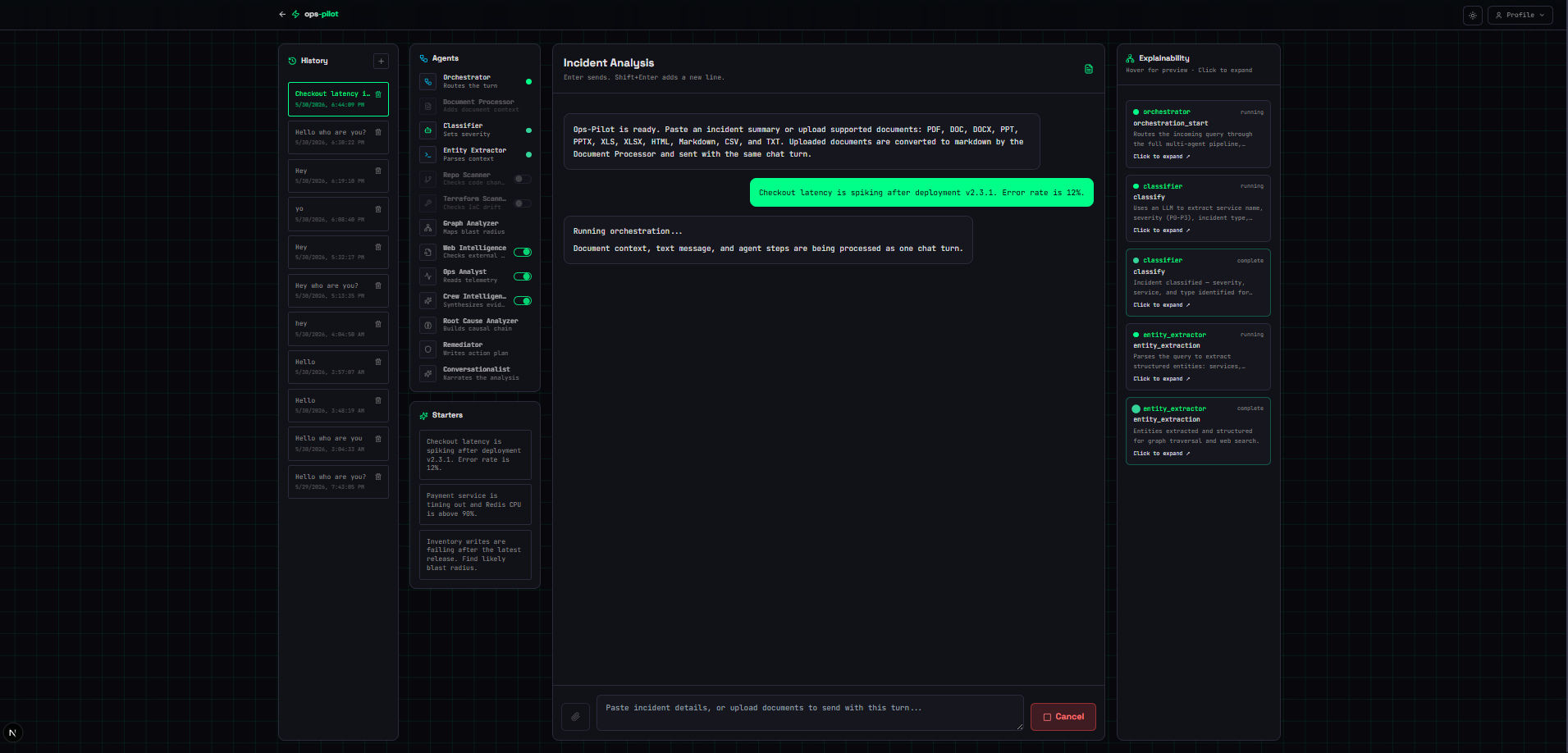 **可解释性面板:**
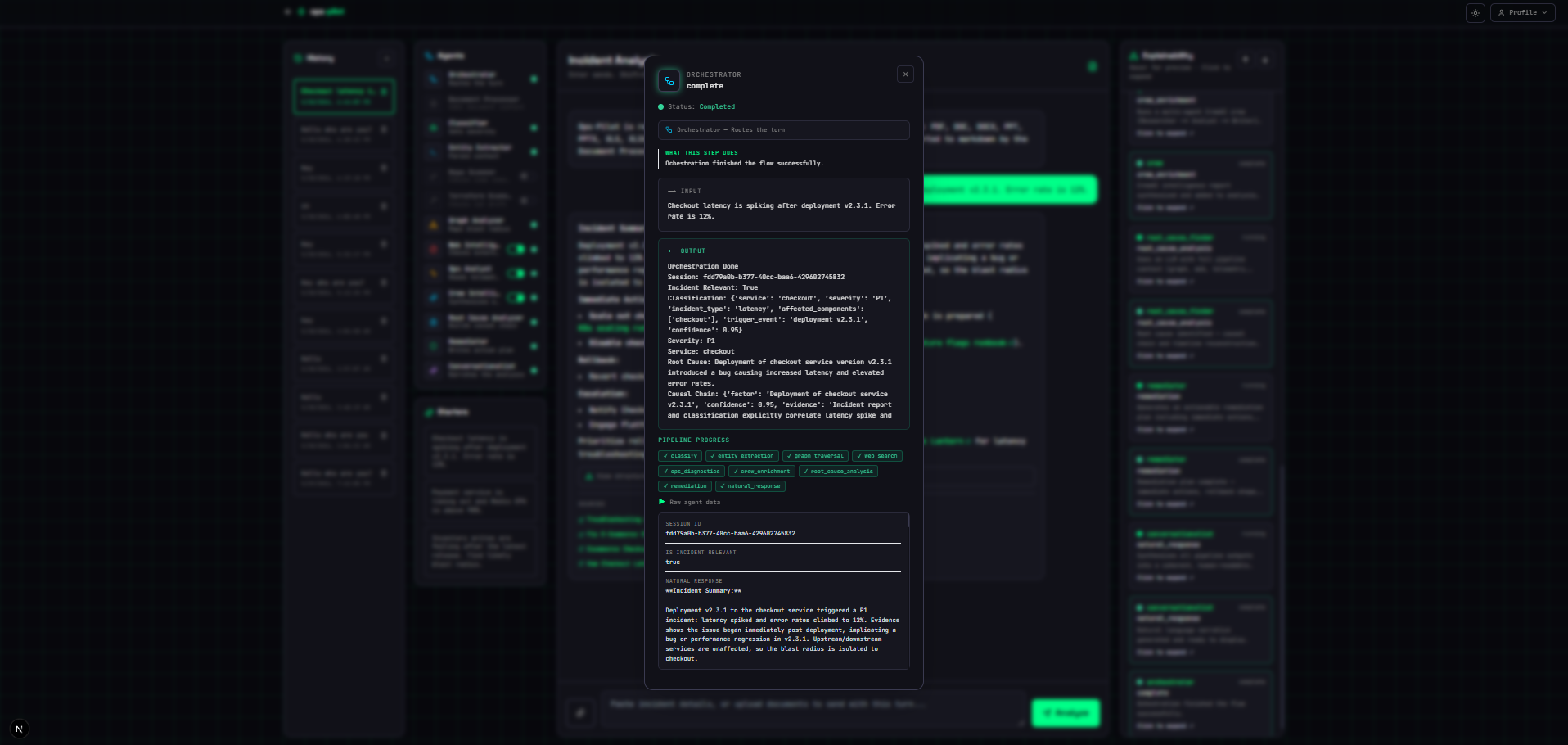
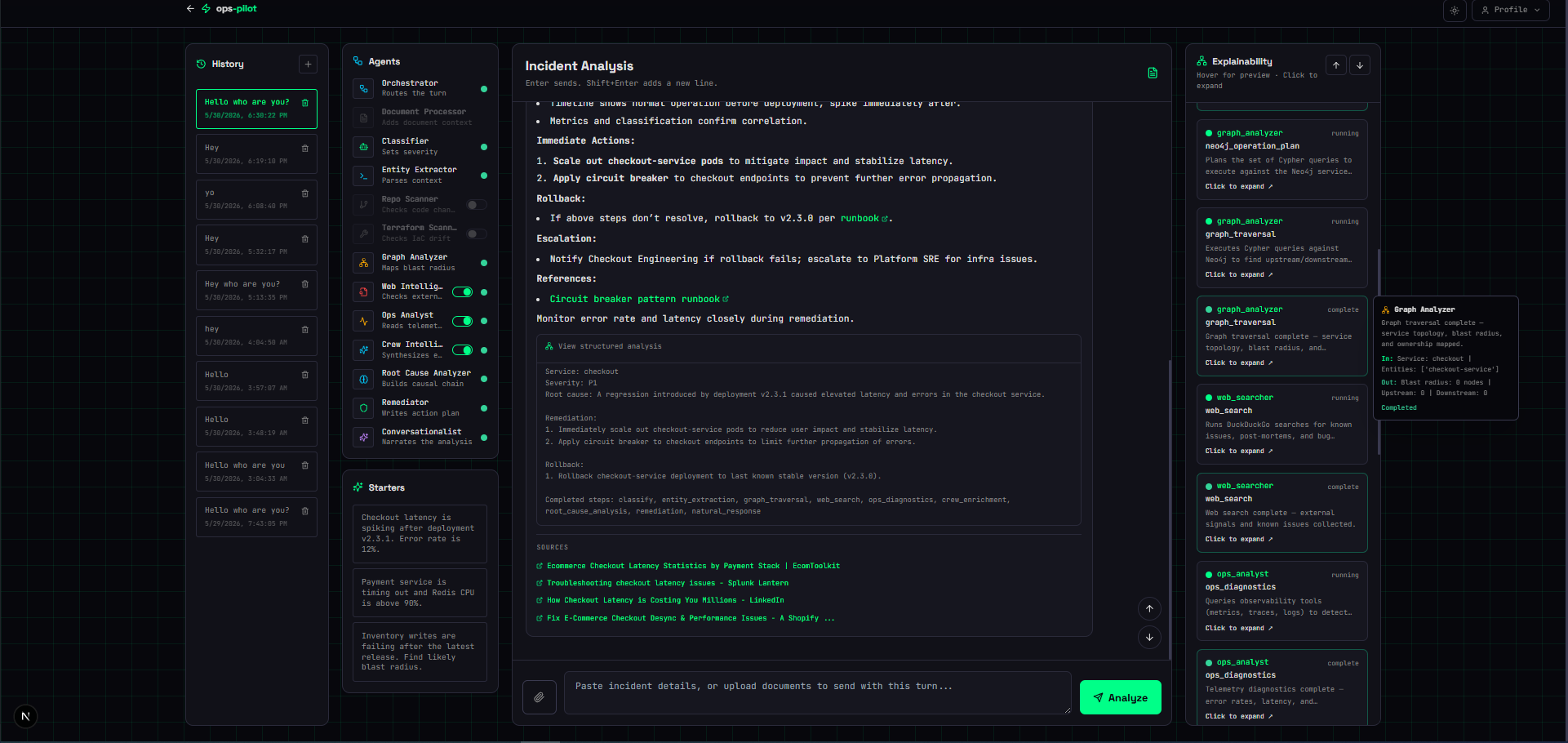
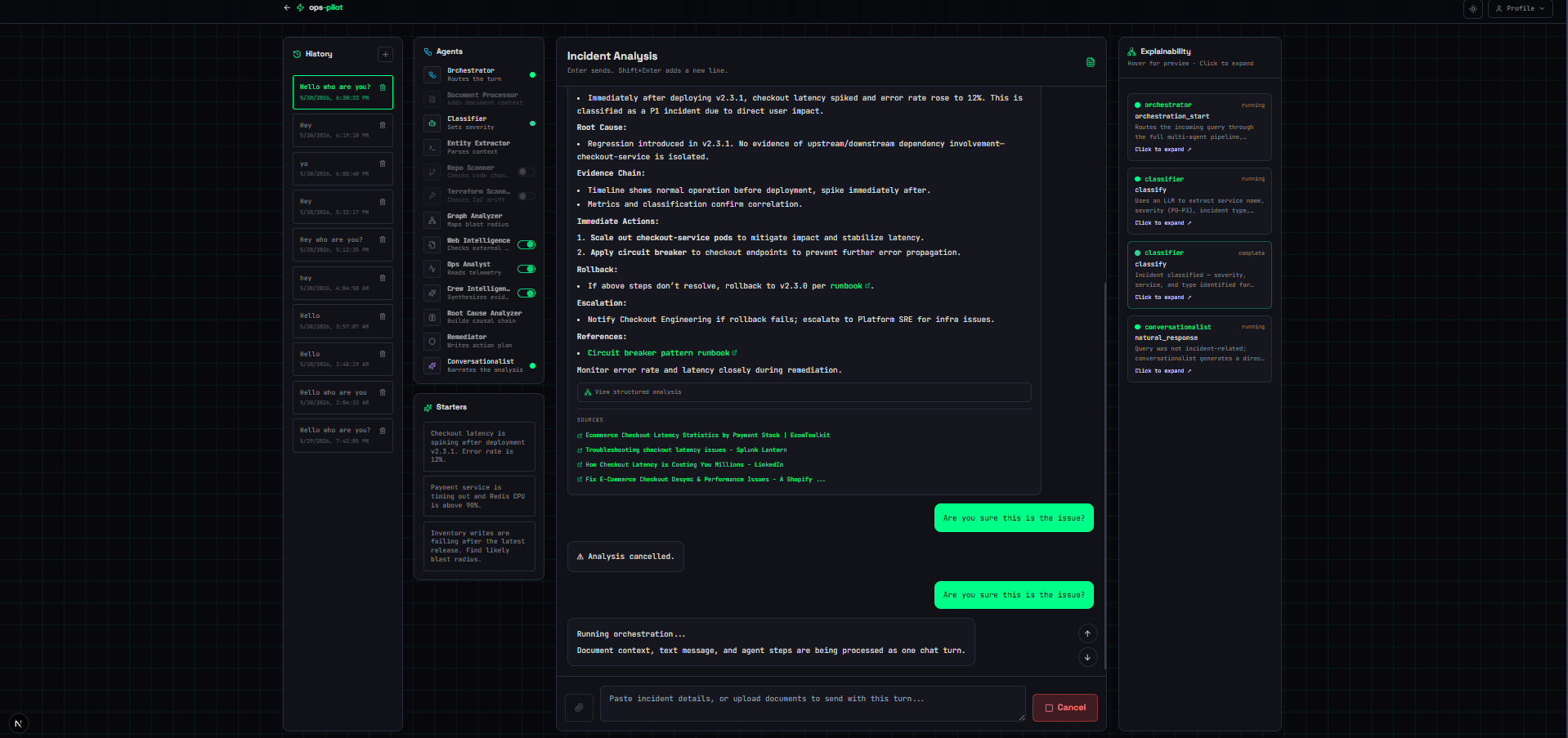
 **取消操作:**
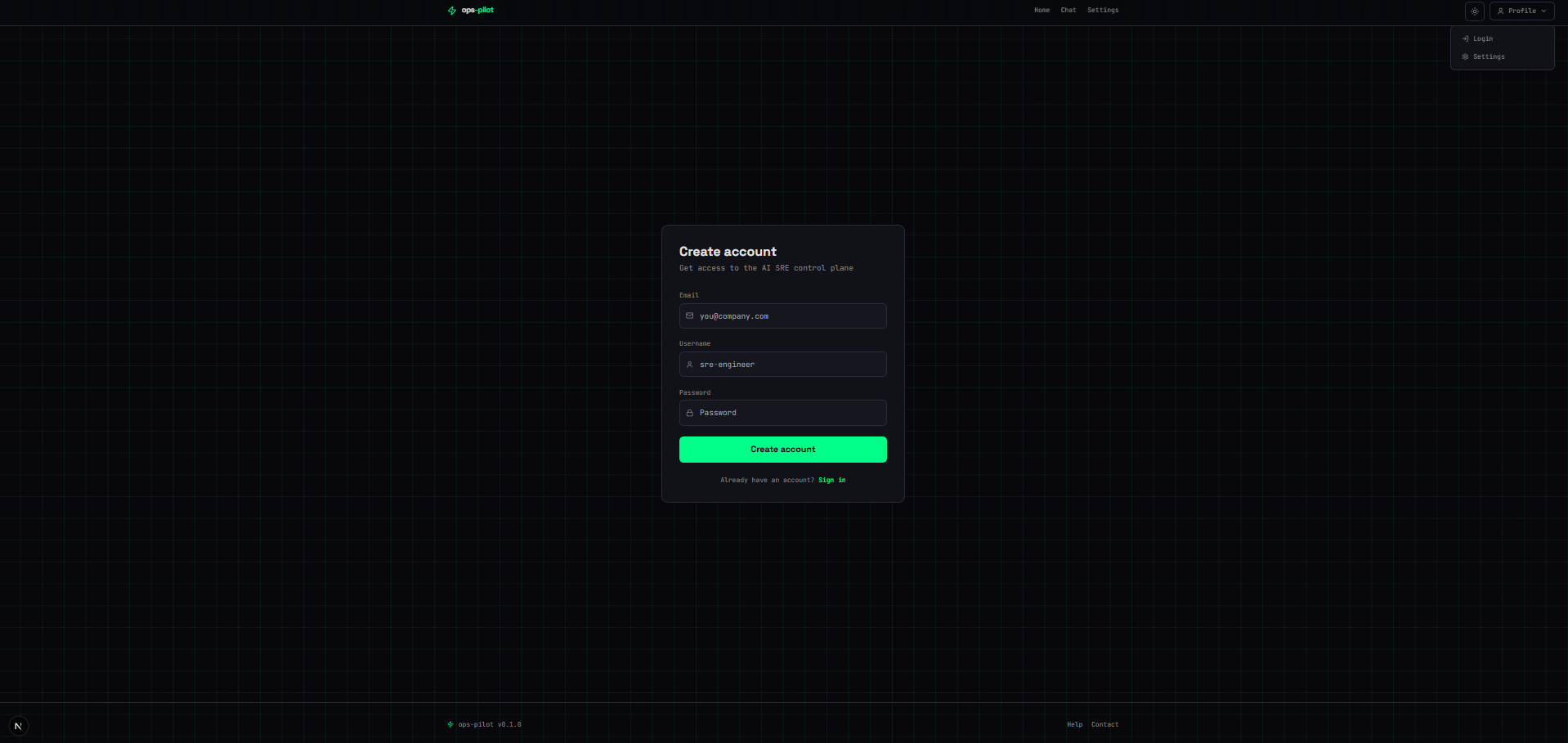
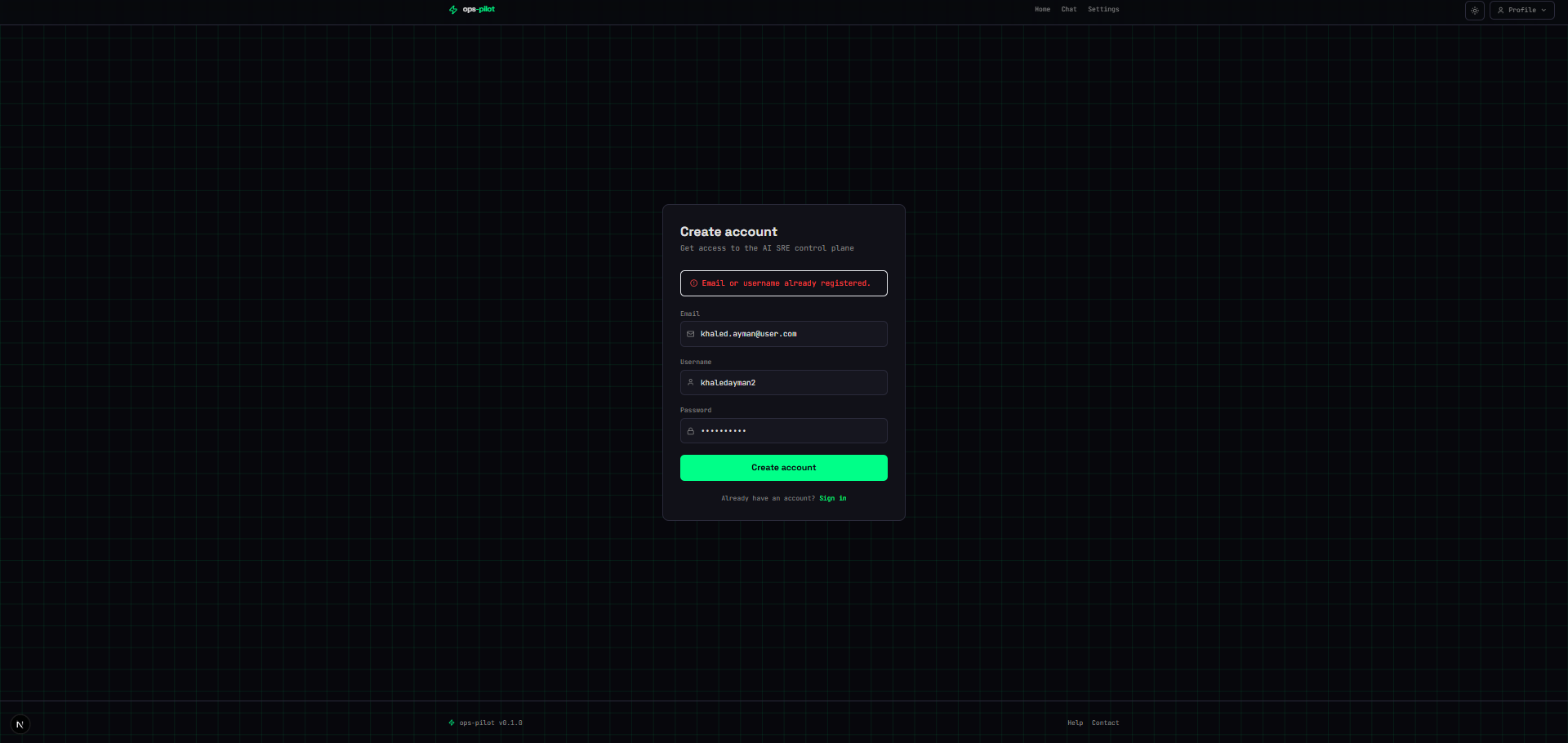
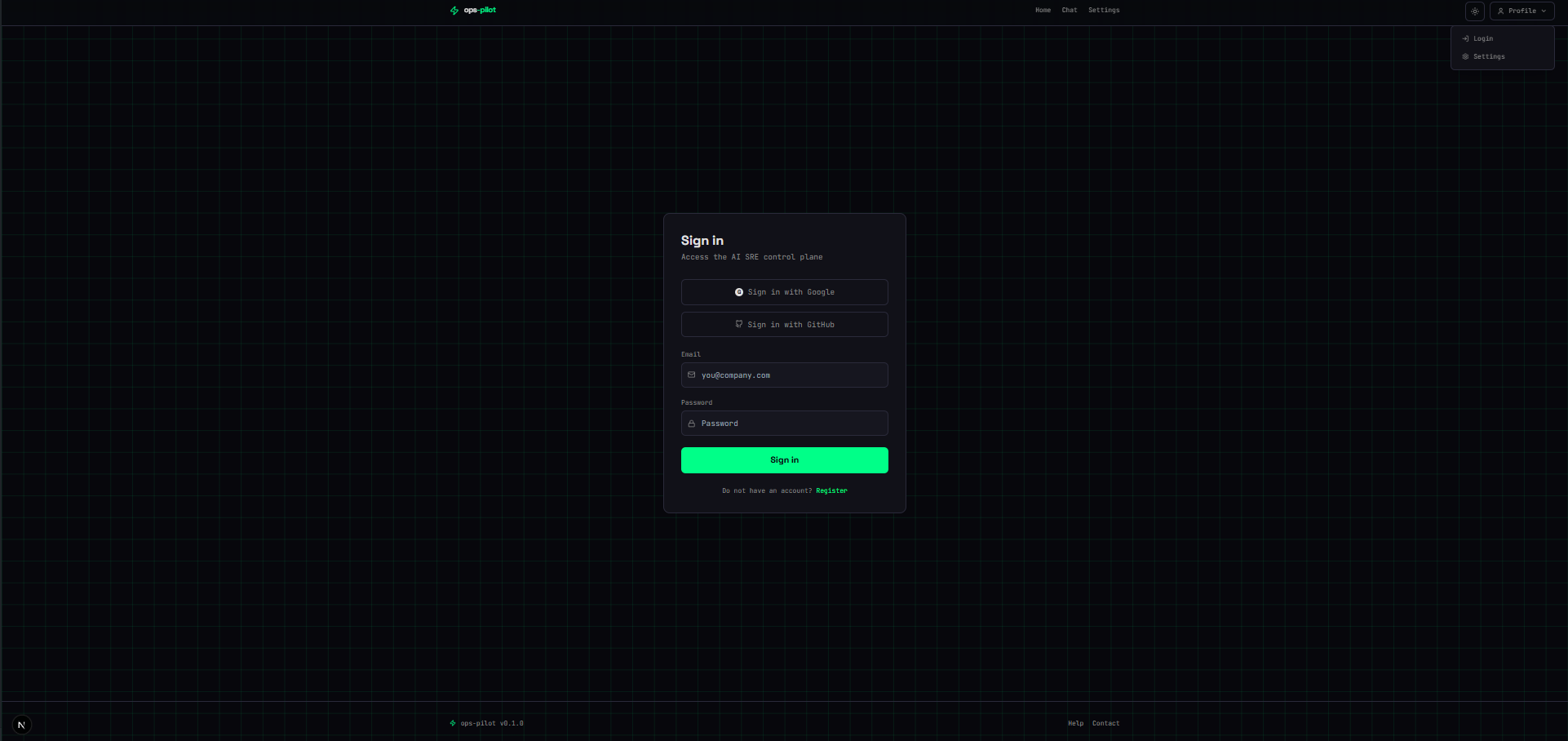 **注册:**
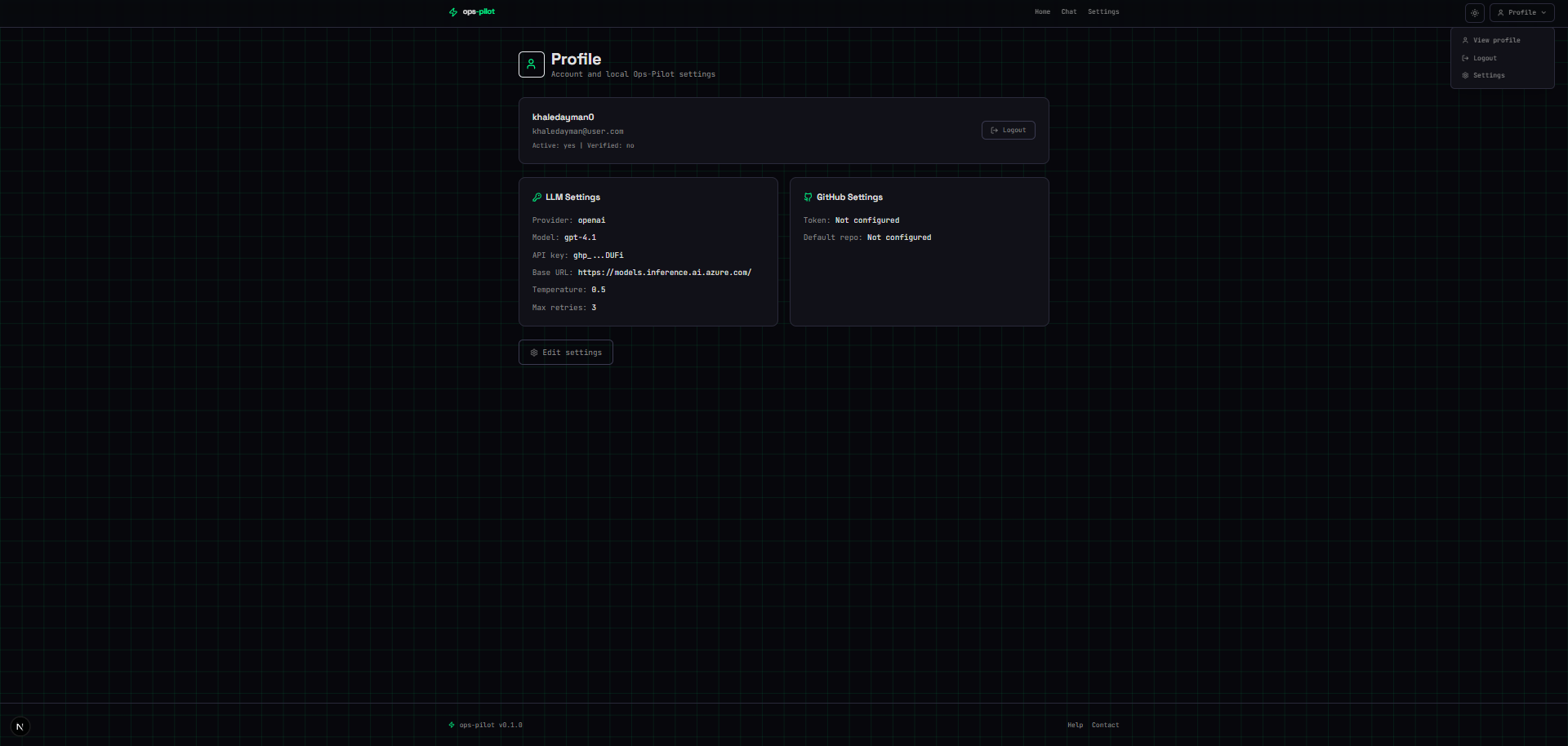
 **个人资料:**
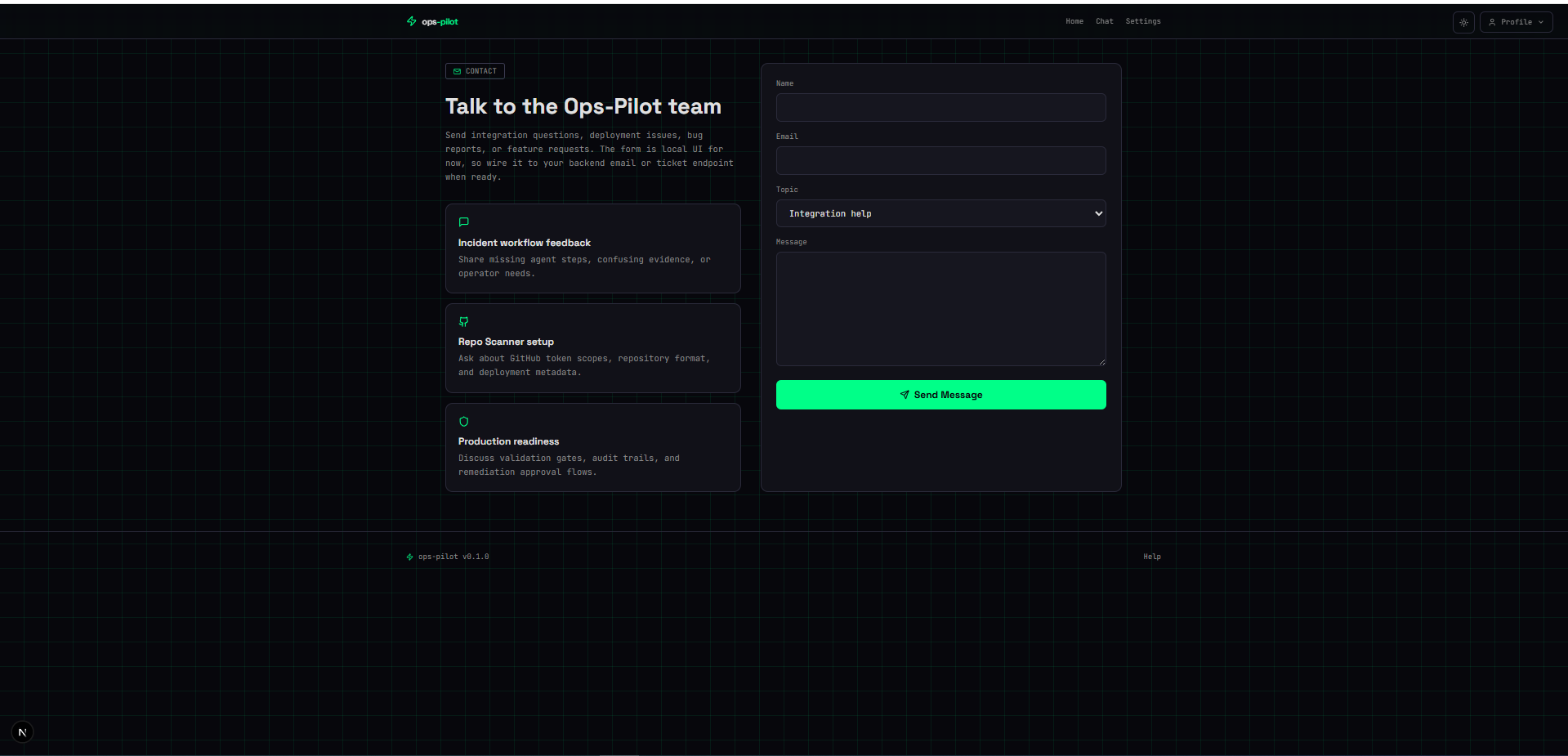
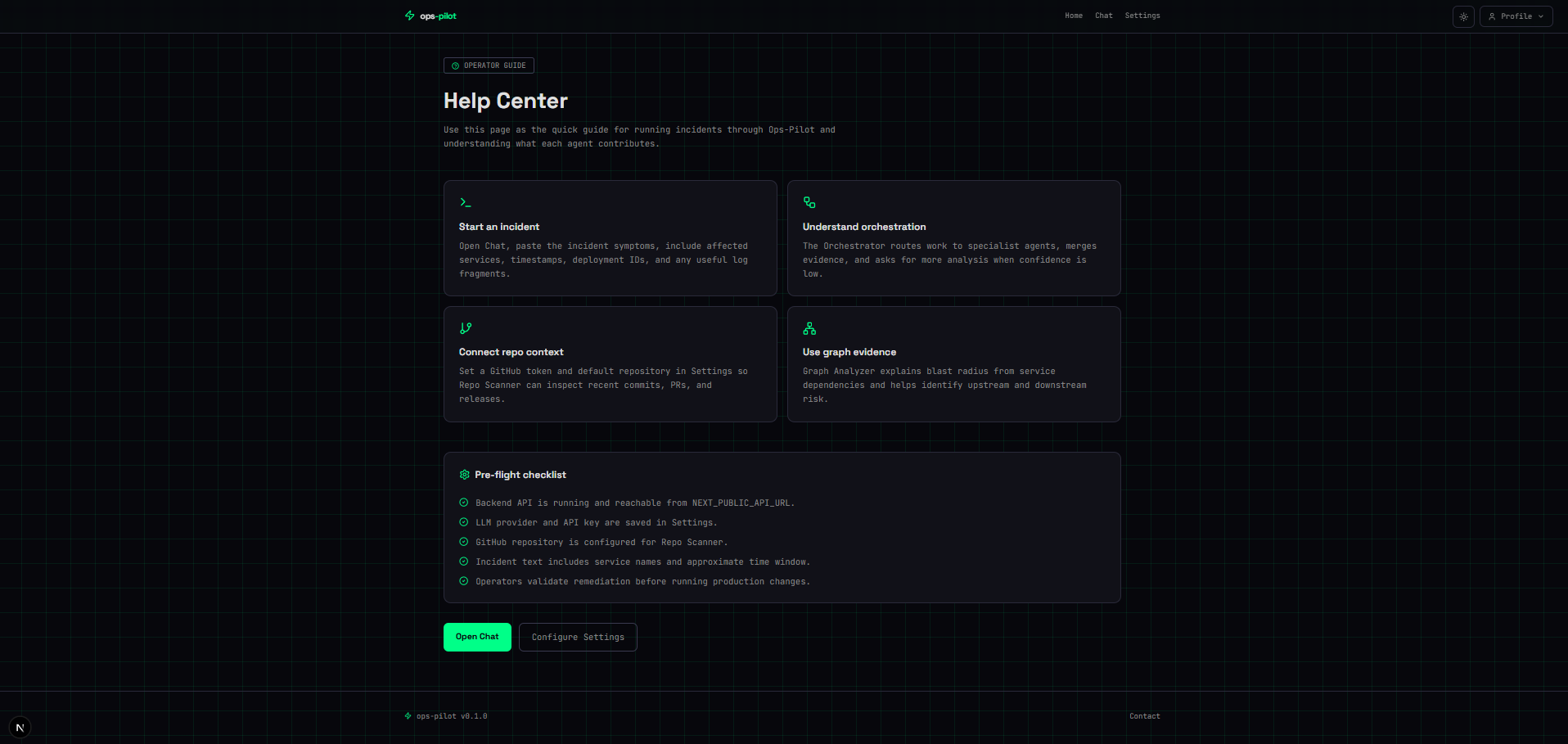 **联系:**
 ## 架构概述
```
┌──────────────────────────────────────────────────────────────────────┐
│ Next.js 15 │ TypeScript │ Tailwind CSS │ Framer Motion │
│ / /chat /login /register /help /settings /contact │
└──────────────────────────┬───────────────────────────────────────────┘
│ SSE + REST (JWT Bearer)
┌──────────────────────────▼───────────────────────────────────────────┐
│ FastAPI /api/v1/{auth, incident, chat, stream, health} │
│ JWT access + refresh tokens │ bcrypt │ Guardrails (Presidio) │
└────────────────┬─────────────────────────────────────────────────────┘
│
┌────────────────▼─────────────────────────────────────────────────────┐
│ IncidentOrchestrator (LangGraph async generator) │
│ │
│ 1. Classifier — severity, service, urgency, type │
│ 2. Entity Extractor — services, deployments, owners, metrics │
│ 3. Document Processor — PDF, DOCX, PPTX, CSV, Markdown │
│ 4. Repo Scanner — GitHub commits, PRs, CI checks │
│ 5. Terraform Scanner — IaC drift, plans, workspace state │
│ 6. Graph Analyzer — Neo4j blast-radius + dependency map │
│ 7. Web Intelligence — DuckDuckGo: CVEs, advisories, outages │
│ 8. Ops Analyst — latency, error rate, saturation │
│ 9. Crew Intelligence — CrewAI Researcher→Analyst→Writer │
│ 10. Root Cause Finder — causal chain + deployment correlation │
│ 11. Remediator — rollback, runbooks, escalation paths │
│ 12. Conversationalist — operator-ready Markdown narrative │
└────────┬──────────────────────┬───────────────────────┬─────────────┘
│ │ │
┌────────▼──────┐ ┌────────────▼──────┐ ┌────────────▼────────────┐
│ Neo4j 5 │ │ PostgreSQL 16 │ │ Redis 7 │
│ Service graph│ │ Users / Chats / │ │ Celery broker │
│ knowledge │ │ Messages / │ │ + result backend │
│ base │ │ Executions │ │ + periodic tasks │
└───────────────┘ └───────────────────┘ └─────────────────────────┘
```
## 技术栈
| 层级 | 技术 |
| ----------- | ------------------------------------------------------------------------ |
| 前端 | Next.js 15, TypeScript, Tailwind CSS, Framer Motion, anime.js, Jest |
| 后端 | Python 3.11, FastAPI, LangGraph, CrewAI, LangChain |
| LLM | OpenAI(默认) · Anthropic · Google — 运行时可切换,无需重构 |
| 图数据库 | Neo4j 5 — 服务依赖知识图谱 + 爆炸半径遍历 |
| 关系型数据库 | PostgreSQL 16 + SQLAlchemy 2 (async) + Alembic 迁移 |
| 队列 | Redis 7 + Celery(定期图谱维护任务) |
| 身份验证 | JWT(access token + refresh token),bcrypt 密码哈希,python-jose |
| 安全护栏 | Prompt 注入检测,PII 清洗(Presidio + regex 回退) |
| MCP | GitHub MCP server, Terraform MCP server, 自定义 Ops Inspector server |
| IaC | Docker Compose — 开发与生产环境 overlay |
| CI/CD | GitHub Actions — pytest,类型检查,lint,迁移检查,MLflow 评估 |
| 流式传输 | 通过 sse-starlette 实现的 Server-Sent Events (SSE) |
## 智能体流水线
每个事件查询都会通过编排器的异步生成器进行处理,该生成器会生成 `StreamEvent` 对象,并通过 SSE 直接转发到前端。操作员可以在运行时独立启用/禁用每个智能体。
### 1. 分类器 (Classifier)
使用结构化的 LLM 输出(Pydantic 模型)从原始查询中提取服务名称、严重程度(P0–P3)、事件类型、受影响的组件、触发事件以及置信度得分。
### 2. 实体提取器 (Entity Extractor)
从查询中解析出结构化实体:服务名称、部署、指标、错误代码、时间范围,以及用于下游图数据库和 Web 查询的 Cypher 格式搜索关键字。
### 3. 文档处理器 (Document Processor)(可选)
将上传的附件(PDF, DOCX, PPTX, XLS/XLSX, HTML, Markdown, CSV, TXT)转换为 Markdown 并将其注入到流水线上下文中。所有下游智能体都会接收到完整的文档上下文。
### 4. 仓库扫描器 (Repo Scanner)(可选)
使用 GitHub MCP server 获取服务仓库最近的提交、打开的 pull request、失败的 CI 检查以及分支活动。需要配置 `GITHUB_TOKEN`。
### 5. Terraform 扫描器 (Terraform Scanner)(可选)
使用 Terraform MCP server 检查工作区状态,检测基础设施漂移,并总结可能与事件相关的最近 plan/apply 运行记录。需要配置 Terraform MCP。
### 6. 图谱分析器 (Graph Analyzer)
针对 Neo4j 知识图谱执行九个 Cypher 查询:直接依赖项、上游调用者、完整爆炸半径(3 跳传递闭包)、最近部署、历史事件、关联的 runbook、团队所有权、配置变更事件以及跨实体事件。
### 7. 网络情报 (Web Intelligence)(可选)
运行 DuckDuckGo 搜索(Instant Answer API → HTML 抓取回退),以查找已知的供应商问题、CVE、事后分析报告和依赖项公告。搜索结果按 URL 进行去重。
### 8. 运维分析师 (Ops Analyst)(可选)
使用自定义的 Ops Inspector MCP server 解析堆栈跟踪、计算错误率、格式化事件摘要,并根据可观测性工具的输出检查服务健康状况。
### 9. 团队情报 (Crew Intelligence)(可选)
运行一个包含三个角色的 CrewAI 团队 —— Researcher → Analyst → Writer —— 负责收集、关联外部情报并将其综合成一份结构化的情报报告,然后注入到分析上下文中。
### 10. 根本原因查找器 (Root Cause Finder)
使用 LLM 综合所有流水线上下文(图数据库、网络、遥测、代码仓库、IaC),以确定主要根本原因,建立带有置信度得分的因果链,检测部署相关性,并重建事件时间线。
### 11. 修复器 (Remediator)
生成完整的修复方案:即时的 kubectl/CLI 操作、回滚步骤、缓解措施、带有 Slack 联系人的升级路径、runbook 引用以及事件后的后续行动事项。
### 12. 对话助手 (Conversationalist)
将所有结构化的流水线输出综合成人类可读的 Markdown 叙述,其中包含用于压缩聊天记录的对话摘要。
## 快速开始
### 前置条件
- Docker 和 Docker Compose
- Node.js 20+
- Python 3.11+ 并安装 `uv`(安装命令:`pip install uv`)
### 1. 克隆并配置
```
git clone https://github.com/your-org/ops-pilot.git
cd ops-pilot
cp backend/.env.example backend/.env
```
编辑 `backend/.env` 并至少设置以下内容:
- `OPENAI_API_KEY` — 你的 OpenAI key
- `SECRET_KEY` — 生成命令:`openssl rand -hex 32`
### 2. 启动基础设施
```
cd backend
docker compose up -d postgres neo4j redis
# 运行 migrations 前请允许约 20 秒让 Neo4j 完全初始化
```
### 3. 运行迁移并初始化知识图谱
```
uv sync
uv run alembic upgrade head
uv run python -m app.db.neo4j_seed
```
### 4. 启动 API server
```
uv run uvicorn app.main:app --reload --port 8000
# 验证:curl http://localhost:8000/health
```
### 5. 启动 Celery(在两个独立的终端中)
```
uv run celery -A app.tasks.celery_app worker --loglevel=info
uv run celery -A app.tasks.celery_app beat --loglevel=info
```
### 6. 启动前端
```
cd ../frontend
npm install
cp .env.example .env.local
# 设置:NEXT_PUBLIC_API_URL=http://localhost:8000
npm run dev
# 打开 http://localhost:3000
```
## API 路由
```
GET /health Liveness + dependency check
POST /api/v1/auth/register Register new user
POST /api/v1/auth/login Login, receive JWT tokens
POST /api/v1/auth/refresh Refresh access token
GET /api/v1/auth/me Get current user profile
POST /api/v1/incident/analyze Full analysis (Bearer required)
GET /api/v1/stream/incident SSE stream (optional Bearer)
POST /api/v1/chat/ Create chat session (Bearer)
GET /api/v1/chat/ List chat sessions (Bearer)
GET /api/v1/chat/{id} Get chat by ID
GET /api/v1/chat/{id}/messages Get messages for chat
GET /api/v1/chat/{id}/executions Get agent execution log
DELETE /api/v1/chat/{id} Delete chat session
GET /api/v1/settings Get LLM settings (Bearer)
PUT /api/v1/settings Update LLM settings (Bearer)
```
## 身份验证
Ops-Pilot 采用双 token JWT 策略:
- **Access token** — 生命周期短(默认 30 分钟),使用 HS256 和 `SECRET_KEY` 进行签名。作为 `Authorization: Bearer
## 架构概述
```
┌──────────────────────────────────────────────────────────────────────┐
│ Next.js 15 │ TypeScript │ Tailwind CSS │ Framer Motion │
│ / /chat /login /register /help /settings /contact │
└──────────────────────────┬───────────────────────────────────────────┘
│ SSE + REST (JWT Bearer)
┌──────────────────────────▼───────────────────────────────────────────┐
│ FastAPI /api/v1/{auth, incident, chat, stream, health} │
│ JWT access + refresh tokens │ bcrypt │ Guardrails (Presidio) │
└────────────────┬─────────────────────────────────────────────────────┘
│
┌────────────────▼─────────────────────────────────────────────────────┐
│ IncidentOrchestrator (LangGraph async generator) │
│ │
│ 1. Classifier — severity, service, urgency, type │
│ 2. Entity Extractor — services, deployments, owners, metrics │
│ 3. Document Processor — PDF, DOCX, PPTX, CSV, Markdown │
│ 4. Repo Scanner — GitHub commits, PRs, CI checks │
│ 5. Terraform Scanner — IaC drift, plans, workspace state │
│ 6. Graph Analyzer — Neo4j blast-radius + dependency map │
│ 7. Web Intelligence — DuckDuckGo: CVEs, advisories, outages │
│ 8. Ops Analyst — latency, error rate, saturation │
│ 9. Crew Intelligence — CrewAI Researcher→Analyst→Writer │
│ 10. Root Cause Finder — causal chain + deployment correlation │
│ 11. Remediator — rollback, runbooks, escalation paths │
│ 12. Conversationalist — operator-ready Markdown narrative │
└────────┬──────────────────────┬───────────────────────┬─────────────┘
│ │ │
┌────────▼──────┐ ┌────────────▼──────┐ ┌────────────▼────────────┐
│ Neo4j 5 │ │ PostgreSQL 16 │ │ Redis 7 │
│ Service graph│ │ Users / Chats / │ │ Celery broker │
│ knowledge │ │ Messages / │ │ + result backend │
│ base │ │ Executions │ │ + periodic tasks │
└───────────────┘ └───────────────────┘ └─────────────────────────┘
```
## 技术栈
| 层级 | 技术 |
| ----------- | ------------------------------------------------------------------------ |
| 前端 | Next.js 15, TypeScript, Tailwind CSS, Framer Motion, anime.js, Jest |
| 后端 | Python 3.11, FastAPI, LangGraph, CrewAI, LangChain |
| LLM | OpenAI(默认) · Anthropic · Google — 运行时可切换,无需重构 |
| 图数据库 | Neo4j 5 — 服务依赖知识图谱 + 爆炸半径遍历 |
| 关系型数据库 | PostgreSQL 16 + SQLAlchemy 2 (async) + Alembic 迁移 |
| 队列 | Redis 7 + Celery(定期图谱维护任务) |
| 身份验证 | JWT(access token + refresh token),bcrypt 密码哈希,python-jose |
| 安全护栏 | Prompt 注入检测,PII 清洗(Presidio + regex 回退) |
| MCP | GitHub MCP server, Terraform MCP server, 自定义 Ops Inspector server |
| IaC | Docker Compose — 开发与生产环境 overlay |
| CI/CD | GitHub Actions — pytest,类型检查,lint,迁移检查,MLflow 评估 |
| 流式传输 | 通过 sse-starlette 实现的 Server-Sent Events (SSE) |
## 智能体流水线
每个事件查询都会通过编排器的异步生成器进行处理,该生成器会生成 `StreamEvent` 对象,并通过 SSE 直接转发到前端。操作员可以在运行时独立启用/禁用每个智能体。
### 1. 分类器 (Classifier)
使用结构化的 LLM 输出(Pydantic 模型)从原始查询中提取服务名称、严重程度(P0–P3)、事件类型、受影响的组件、触发事件以及置信度得分。
### 2. 实体提取器 (Entity Extractor)
从查询中解析出结构化实体:服务名称、部署、指标、错误代码、时间范围,以及用于下游图数据库和 Web 查询的 Cypher 格式搜索关键字。
### 3. 文档处理器 (Document Processor)(可选)
将上传的附件(PDF, DOCX, PPTX, XLS/XLSX, HTML, Markdown, CSV, TXT)转换为 Markdown 并将其注入到流水线上下文中。所有下游智能体都会接收到完整的文档上下文。
### 4. 仓库扫描器 (Repo Scanner)(可选)
使用 GitHub MCP server 获取服务仓库最近的提交、打开的 pull request、失败的 CI 检查以及分支活动。需要配置 `GITHUB_TOKEN`。
### 5. Terraform 扫描器 (Terraform Scanner)(可选)
使用 Terraform MCP server 检查工作区状态,检测基础设施漂移,并总结可能与事件相关的最近 plan/apply 运行记录。需要配置 Terraform MCP。
### 6. 图谱分析器 (Graph Analyzer)
针对 Neo4j 知识图谱执行九个 Cypher 查询:直接依赖项、上游调用者、完整爆炸半径(3 跳传递闭包)、最近部署、历史事件、关联的 runbook、团队所有权、配置变更事件以及跨实体事件。
### 7. 网络情报 (Web Intelligence)(可选)
运行 DuckDuckGo 搜索(Instant Answer API → HTML 抓取回退),以查找已知的供应商问题、CVE、事后分析报告和依赖项公告。搜索结果按 URL 进行去重。
### 8. 运维分析师 (Ops Analyst)(可选)
使用自定义的 Ops Inspector MCP server 解析堆栈跟踪、计算错误率、格式化事件摘要,并根据可观测性工具的输出检查服务健康状况。
### 9. 团队情报 (Crew Intelligence)(可选)
运行一个包含三个角色的 CrewAI 团队 —— Researcher → Analyst → Writer —— 负责收集、关联外部情报并将其综合成一份结构化的情报报告,然后注入到分析上下文中。
### 10. 根本原因查找器 (Root Cause Finder)
使用 LLM 综合所有流水线上下文(图数据库、网络、遥测、代码仓库、IaC),以确定主要根本原因,建立带有置信度得分的因果链,检测部署相关性,并重建事件时间线。
### 11. 修复器 (Remediator)
生成完整的修复方案:即时的 kubectl/CLI 操作、回滚步骤、缓解措施、带有 Slack 联系人的升级路径、runbook 引用以及事件后的后续行动事项。
### 12. 对话助手 (Conversationalist)
将所有结构化的流水线输出综合成人类可读的 Markdown 叙述,其中包含用于压缩聊天记录的对话摘要。
## 快速开始
### 前置条件
- Docker 和 Docker Compose
- Node.js 20+
- Python 3.11+ 并安装 `uv`(安装命令:`pip install uv`)
### 1. 克隆并配置
```
git clone https://github.com/your-org/ops-pilot.git
cd ops-pilot
cp backend/.env.example backend/.env
```
编辑 `backend/.env` 并至少设置以下内容:
- `OPENAI_API_KEY` — 你的 OpenAI key
- `SECRET_KEY` — 生成命令:`openssl rand -hex 32`
### 2. 启动基础设施
```
cd backend
docker compose up -d postgres neo4j redis
# 运行 migrations 前请允许约 20 秒让 Neo4j 完全初始化
```
### 3. 运行迁移并初始化知识图谱
```
uv sync
uv run alembic upgrade head
uv run python -m app.db.neo4j_seed
```
### 4. 启动 API server
```
uv run uvicorn app.main:app --reload --port 8000
# 验证:curl http://localhost:8000/health
```
### 5. 启动 Celery(在两个独立的终端中)
```
uv run celery -A app.tasks.celery_app worker --loglevel=info
uv run celery -A app.tasks.celery_app beat --loglevel=info
```
### 6. 启动前端
```
cd ../frontend
npm install
cp .env.example .env.local
# 设置:NEXT_PUBLIC_API_URL=http://localhost:8000
npm run dev
# 打开 http://localhost:3000
```
## API 路由
```
GET /health Liveness + dependency check
POST /api/v1/auth/register Register new user
POST /api/v1/auth/login Login, receive JWT tokens
POST /api/v1/auth/refresh Refresh access token
GET /api/v1/auth/me Get current user profile
POST /api/v1/incident/analyze Full analysis (Bearer required)
GET /api/v1/stream/incident SSE stream (optional Bearer)
POST /api/v1/chat/ Create chat session (Bearer)
GET /api/v1/chat/ List chat sessions (Bearer)
GET /api/v1/chat/{id} Get chat by ID
GET /api/v1/chat/{id}/messages Get messages for chat
GET /api/v1/chat/{id}/executions Get agent execution log
DELETE /api/v1/chat/{id} Delete chat session
GET /api/v1/settings Get LLM settings (Bearer)
PUT /api/v1/settings Update LLM settings (Bearer)
```
## 身份验证
Ops-Pilot 采用双 token JWT 策略:
- **Access token** — 生命周期短(默认 30 分钟),使用 HS256 和 `SECRET_KEY` 进行签名。作为 `Authorization: Bearer ` 发送。
- **Refresh token** — 生命周期长(默认 7 天)。用于通过 `POST /api/v1/auth/refresh` 获取新的 access token。
- 密码在存入 PostgreSQL 之前使用 **bcrypt** 进行哈希处理。
- `/api/v1/stream/incident` 端点接受可选的 Bearer token。未经身份验证的用户仍可以流式传输结果,但其会话不会持久化保存到用户账户中。
- 如果 token 缺失或无效,`get_current_user` 依赖项会引发 401 错误。`get_optional_user` 对于未经身份验证的请求将返回 `None`,而不会引发异常。
## 安全护栏
每个用户查询(及文档上下文)在到达任何 LLM 或智能体之前,都会通过 `app/core/guardrails.py` 进行处理:
1. **控制字符清理** — 剔除空字节和不可打印字符。
2. **长度限制** — 输入上限为 4,000 个字符(`MAX_QUERY_LENGTH`)。
3. **Prompt 注入检测** — 使用正则表达式对已知的攻击短语进行模式匹配,如 "ignore all previous instructions", "forget everything", "you are now", "pretend to be" 和 "act as"。
4. **PII 清洗** — 使用 Microsoft Presidio(如果已安装)对电子邮件、电话号码、信用卡号、IP 地址和姓名进行脱敏。当 Presidio 不可用时,回退到 regex 模式进行匹配。
违反护栏会导致产生一个携带 `GUARDRAIL_VIOLATION` 代码的 SSE `error_event`,并立即终止流。违规内容永远不会被转发给任何 LLM。
## 流式传输 (SSE)
`/api/v1/stream/incident` 端点会打开一个 Server-Sent Events 连接,并在编排器处理流水线时实时发射 `StreamEvent` 对象。
### 事件类型
| 事件类型 | 描述 |
| ----------- | ----------------------------------------------------------------- |
| `session` | 首先发射 — 包含本次分析轮次的 `session_id` |
| `step` | 智能体生命周期更新(开始、完成、错误、跳过) |
| `graph` | 图谱分析器结果 — 爆炸半径、依赖关系、runbook |
| `reasoning` | 根本原因查找器结果 — 因果链、时间线、置信度 |
| `result` | 最终合并 — 自然语言响应、结构化数据、引文 |
| `error` | 流级别错误(违反护栏、意外异常) |
| `done` | 流已关闭 — 回显 session_id 以供确认 |
### StreamEvent schema
每个事件的 `data` 字段都是一个 JSON 对象,该对象始终包含:
- `description` — 关于该步骤执行操作的人类可读说明
- `input` — 此步骤接收的数据
- `output` — 生成的结果(在 complete 事件中)
- `completed_steps` — 目前已完成的所有流水线步骤列表
- `error` — 错误信息(仅在 error 事件中)
### 前端调用
前端调用 `app/lib/apis.ts` 中的 `streamIncident()`,该函数会打开一个 `EventSource` 并将每个解析后的事件分发给 `recordExplainabilityEvent()`。聊天界面中的可解释性面板将每个事件呈现为可点击的卡片,显示步骤名称、状态以及输入/输出的悬停预览。点击会打开一个包含完整详细信息的模态框。
## Neo4j 知识图谱
该图模拟了基础设施的实时服务依赖拓扑。`GraphAnalyzerAgent` 在每个事件轮次运行九个 Cypher 查询:
1. **直接依赖项** — 受影响服务直接调用的服务
2. **上游调用者** — 调用受影响服务的服务
3. **爆炸半径** — 所有可能受影响节点的 3 跳传递闭包
4. **部署** — 爆炸半径服务中最近的部署情况
5. **历史事件** — 相关服务上发生过的过去事件
6. **Runbook** — 关联的带有 URL 的 runbook 文档
7. **所有权** — 包含 Slack 频道的团队所有权记录
8. **配置变更** — 最近的配置变更事件
9. **跨实体事件** — 涉及任何提取出的实体的事件
### 初始化知识图谱
```
uv run python -m app.db.neo4j_seed
```
这会创建 Service, Deployment, Incident, Runbook, Team 和 ConfigChange 节点,并为示例电商微服务拓扑(checkout, payment, inventory, api-gateway, redis, postgres 等)建立真实的关系。
### Celery 图谱维护
`sync_web_intelligence_to_graph` Celery 任务(每小时运行一次)将网络搜索发现的结果作为 `WebKnowledge` 节点写回到 Neo4j 中,使得该图谱能够随着时间推移不断积累外部情报。
## LLM 供应商切换
编辑 `backend/.env` — 无需重构:
```
# OpenAI(默认)
LLM_PROVIDER=openai
LLM_MODEL=gpt-4o
OPENAI_API_KEY=sk-...
# Anthropic Claude
LLM_PROVIDER=anthropic
LLM_MODEL=claude-3-5-sonnet-20241022
ANTHROPIC_API_KEY=sk-ant-...
# Google Gemini
LLM_PROVIDER=google
LLM_MODEL=gemini-1.5-pro
GOOGLE_API_KEY=AIza...
```
LLM 供应商在启动时通过 `app/core/llm.py` 解析。所有智能体均使用 `llm.with_structured_output(PydanticModel)` 来实现类型安全的结构化输出。
## Alembic 数据迁移
```
uv run alembic upgrade head apply all pending migrations
uv run alembic revision --autogenerate -m "describe change" generate a new revision
uv run alembic downgrade -1 roll back one step
uv run alembic downgrade roll back to a specific hash
uv run alembic current show current applied revision
uv run alembic check assert no unapplied migrations
uv run alembic history show full migration history
```
迁移文件位于 `backend/alembic/versions/` 中。`alembic.ini` 指向了从 `backend/settings.py` 中提取的异步 PostgreSQL DSN。
## Celery 定期任务
| 任务 | 计划 | 目的 |
| -------------------------------- | ----------- | -------------------------------------------------- |
| `refresh_service_health` | 每 15 分钟 | 从外部检查更新 Neo4j 服务状态 |
| `sync_web_intelligence_to_graph` | 每小时 | 将 CVE / 公告发现写入 Neo4j 节点 |
| `prune_stale_incidents` | 每天 02:00 | 删除超过 90 天的已解决事件 |
启动命令:
```
uv run celery -A app.tasks.celery_app worker --loglevel=info
uv run celery -A app.tasks.celery_app beat --loglevel=info
```
## MCP 集成
Ops-Pilot 通过 Model Context Protocol (MCP) 连接到外部工具。服务器配置位于 `backend/mcp_servers/servers.json`。
| 智能体 | MCP Server | 暴露的工具 |
| ---------------- | ---------------------- | ------------------------------------------------------------------------------------ |
| Repo Scanner | GitHub MCP (官方) | get_repository, list_commits, list_pull_requests, list_check_runs |
| Terraform Scanner | Terraform MCP | workspace_list, plan_show, state_show, apply_status |
| Ops Analyst | Ops Inspector (自定义) | parse_stack_trace, calculate_error_rate, format_incident_brief, check_service_health |
要启用 MCP 智能体,请在 `servers.json` 中设置所需的密钥,或通过由 `MCPClientManager` 替换的环境变量进行设置:
```
GITHUB_TOKEN=ghp_... enables Repo Scanner
```
## Docker 目标
```
Development (hot reload):
cd backend && make dev
Production:
cd backend && make prod
Run migrations via Docker:
cd backend && make migrate
cd backend && make migrate-version-up m=
cd backend && make migrate-version-down m=
Generate a new Alembic revision:
cd backend && make revision m="add_users_table"
Seed Neo4j:
cd backend && make seed-neo4j
Clean up Docker:
cd backend && make prune
```
## 环境变量
| 变量 | 必填 | 描述 |
| ----------------------------- | -------- | --------------------------------------------------- |
| `SECRET_KEY` | 是 | JWT 签名密钥 — `openssl rand -hex 32` |
| `OPENAI_API_KEY` | 是\* | 当 `LLM_PROVIDER=openai` 时必填 |
| `ANTHROPIC_API_KEY` | 是\* | 当 `LLM_PROVIDER=anthropic` 时必填 |
| `GOOGLE_API_KEY` | 是\* | 当 `LLM_PROVIDER=google` 时必填 |
| `LLM_PROVIDER` | 否 | `openai`(默认) / `anthropic` / `google` |
| `LLM_MODEL` | 否 | 所选供应商的模型名称 |
| `DATABASE_URL` | 否 | PostgreSQL 异步 DSN(默认指向 Docker 服务) |
| `NEO4J_URI` | 否 | Neo4j bolt URI(默认为 `bolt://localhost:7687`) |
| `NEO4J_USERNAME` | 否 | Neo4j 用户名(默认:`neo4j`) |
| `NEO4J_PASSWORD` | 否 | Neo4j 密码(默认:`password`) |
| `REDIS_URL` | 否 | Redis DSN(默认为 `redis://localhost:6379/0`) |
| `GITHUB_TOKEN` | 否 | GitHub PAT — 启用 Repo Scanner 智能体 |
| `ACCESS_TOKEN_EXPIRE_MINUTES` | 否 | JWT access token 生命周期(默认:30) |
| `REFRESH_TOKEN_EXPIRE_DAYS` | 否 | JWT refresh token 生命周期(默认:7) |
## 测试
```
Backend:
cd backend
uv run pytest tests/ -v
uv run pytest tests/ -v --cov=app --cov-report=term-missing
Frontend:
cd frontend
npm test
npm run test:coverage
```
测试覆盖率包括:API 端点、身份验证流程、所有十二个智能体(模拟 LLM 链)、安全护栏、编排器流事件以及实用工具函数。
## CI/CD
位于 `.github/workflows/` 中的 GitHub Actions 工作流:
| 工作流 | 触发器 | 步骤 |
| ------------ | ------------- | ------------------------------------------------- |
| `backend-ci` | Push / PR | 安装依赖,运行 pytest,检查 Alembic 挂起状态 |
| `frontend-ci` | Push / PR | npm install, Jest, TypeScript 类型检查, ESLint |
| `lint` | Push / PR | Ruff lint, black 格式检查 |
| `infra` | 推送到 main | Docker 构建验证 |
| `mlflow` | 推送到 main | 用于评估 LLM 输出质量的 MLflow 评估运行 |
## 许可证
MIT — 详见 [LICENSE](LICENSE)。
## 目录
- [布局](#layout)
- [架构概述](#architecture-overview)
- [技术栈](#tech-stack)
- [智能体流水线](#agent-pipeline)
- [快速开始](#quick-start)
- [API 路由](#api-routes)
- [身份验证](#authentication)
- [安全护栏](#security-guardrails)
- [流式传输 (SSE)](#streaming-sse)
- [Neo4j 知识图谱](#neo4j-knowledge-graph)
- [LLM 供应商切换](#llm-provider-switching)
- [Alembic 数据迁移](#alembic-migrations)
- [Celery 定期任务](#celery-periodic-tasks)
- [MCP 集成](#mcp-integrations)
- [Docker 目标](#docker-targets)
- [环境变量](#environment-variables)
- [测试](#testing)
- [CI/CD](#cicd)
## 布局
主页
**深色模式(默认):**
**浅色模式:**
设置
聊天界面
**聊天窗口:**
**查询:**
**可解释性面板:**
**取消操作:**
身份验证与个人资料
**登录:**
**注册:**
**个人资料:**
帮助与联系
**帮助:**
**联系:**
标签:AIOps, AV绕过, FastAPI, LangGraph, SRE, 偏差过滤, 多智能体, 搜索引擎查询, 故障响应, 根因分析, 测试用例, 特征库, 请求拦截, 逆向工具